Mapping Foreign Buyer Hotspots: Which Nationalities Buy Where in Cyprus?
Cyprus has become a vibrant arena for international real estate investment in recent years. With its strategic Mediterranean location, favorable climate, and attractive residency programs, the island draws a diverse range of foreign buyers seeking to secure property for both personal and investment purposes. Understanding the dynamics of foreign buyer hotspots in Cyprus offers crucial insights for developers, investors, and policymakers alike. This article explores the intricate landscape of foreign property buyers, revealing which nationalities favor particular regions and why, while highlighting key property hotspots in Cyprus 2025 that are shaping the market.
Understanding Foreign Demand in Cyprus Housing
The foreign demand for Cyprus housing has consistently surged over the past decade, fuelled by geopolitical stability, tax incentives, and lifestyle opportunities unavailable elsewhere in Europe. This demand is heterogeneous, reflecting distinct preferences, financial capabilities, and motivations among the top nationalities buying Cyprus property. From retirees seeking tranquility to young professionals eyeing business prospects, foreign buyers bring a mix of economic vitality and cultural diversity to the island’s real estate sector.
Several macroeconomic factors have intersected to position Cyprus as a favored destination for foreign property acquisition. The rise of remote work and international mobility has expanded the pool of potential buyers, while Cyprus’s EU membership and relatively low property taxes enhance its appeal. Moreover, government initiatives like the Cyprus Investment Programme (although suspended in recent years) have left lasting awareness of property investment opportunities.
Foreign demand in Cyprus housing is driven by a combination of lifestyle appeal, regulatory incentives, and strategic geographic positioning.
Top Regions for Foreign Investors in Cyprus
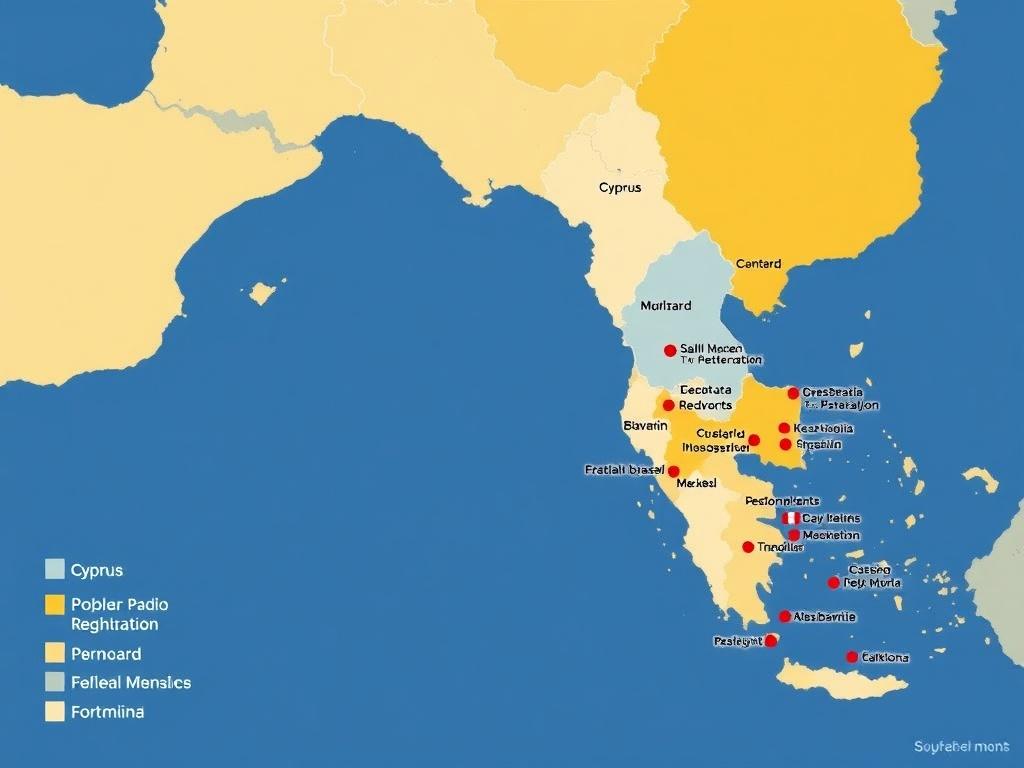
When mapping the foreign buyers Cyprus map, it becomes clear that investment is heavily concentrated in specific regions that offer a blend of infrastructure, natural beauty, and economic opportunity. The leading regions for foreign property investment include Limassol, Paphos, Larnaca, and Nicosia, each catering to different buyer profiles and budget segments.
Limassol emerges as the dominant hub for luxury and high-end foreign investment. Its cosmopolitan atmosphere, vibrant marina developments, and proximity to business centers attract affluent investors from Russia, the Middle East, and Western Europe. The city’s infrastructure upgrade and international schools contribute to its popularity among families and business executives.
Paphos, by contrast, appeals more to buyers seeking lifestyle and retirement destinations. Its rich archaeological heritage and resort-style living attract Northern Europeans, particularly British and Scandinavian retirees. The region boasts a more relaxed pace and affordable property market compared to Limassol.
Larnaca balances between tourism-driven properties and expanding residential projects. It is favored by Middle Eastern, Russian, and Eastern European buyers seeking mid-range property options with access to the international airport.
Lastly, Nicosia, the capital, serves as the business and administrative heart of Cyprus. Although less prominent for holiday homes, it attracts foreign buyers interested in commercial and residential investments linked to Cyprus’s growing financial services sector.
| Region | Main Foreign Buyer Nationalities | Primary Property Types | Investment Focus |
|---|---|---|---|
| Limassol | Russian, Middle Eastern, Western European | Luxury villas, waterfront apartments | High-end residential, commercial, second homes |
| Paphos | British, Scandinavian, German | Detached houses, holiday apartments | Retirement, lifestyle, holiday homes |
| Larnaca | Middle Eastern, Russian, Eastern European | Apartments, semi-detached villas | Affordable housing, investment rentals |
| Nicosia | International professionals, Cypriot diaspora | Flats, office spaces | Commercial property, residential investments |
Limassol and Paphos stand out as premier foreign buyer hotspots, each appealing to distinctly different segments of international investors.
Nationalities Buying Cyprus Property: A Detailed Perspective
The landscape of nationalities buying Cyprus property reflects geopolitical ties, economic trends, and lifestyle preferences. Russian investors historically dominated the market, particularly in Limassol, capitalizing on Cyprus’s advantageous banking regulations and its role as a gateway to the EU. However, over time, shifts in political climate and Russian domestic factors have diversified the profile of foreign buyers significantly.
British buyers remain the second-largest group, their interest rooted in historical ties, language familiarity, and retirement appeal. The warm climate and relaxed lifestyle of Cyprus make it an attractive alternative to the colder UK climate for retirees and second-home owners alike. Northern European countries, such as Sweden, Norway, and Germany, have also contributed to the influx, especially centered in Paphos.
Middle Eastern buyers, especially from Lebanon, Jordan, and the Gulf states, have shown considerable interest in Cyprus’s luxury real estate sector. The proximity of Cyprus to the Middle East and the availability of high-quality, secure developments in Limassol and Larnaca draw investors whose motivations include capital preservation and lifestyle diversification.
More recently, Chinese and South Asian investors have begun entering the Cyprus market, attracted by business prospects and EU residency options. Eastern European buyers, notably from Ukraine and Romania, are also increasing their presence, focusing on affordable housing areas such as Larnaca.
With the suspension of the citizenship-by-investment program, the nationality mix has begun evolving towards a more economically and socially varied community of buyers.
The nationalities buying Cyprus property are as diverse as the island’s offerings, representing a mix of historical ties, economic strategy, and lifestyle pursuits.
Property Hotspots in Cyprus 2025: Emerging Trends and Predictions
Looking forward to 2025, property hotspots Cyprus 2025 are expected to evolve around infrastructure projects, economic diversification, and changing investor priorities. Urban centers like Limassol will continue to flourish, driven by marina expansions, luxury hotel developments, and new commercial hubs. The district’s appeal to high-net-worth individuals remains robust, but competition from emerging markets could influence buyer dynamics.
Meanwhile, Paphos is slated to grow as a retirement-friendly haven, with planned improvements in healthcare facilities and community services. This development will likely attract more retirees from Northern and Western Europe.
Interestingly, smaller towns in the Larnaca district are gaining momentum thanks to their affordability and proximity to the international airport, attracting mid-income foreign buyers and professional expatriates. New infrastructure investments, including road upgrades and recreational zones, will only enhance this trend.
Additionally, inland regions traditionally overlooked by foreign buyers are beginning to attract interest for eco-tourism projects and agricultural investments. This diversification could gradually redistribute foreign demand Cyprus housing away from coastal hotspots.
Government policies aimed at sustainable development and property regulation reforms will also shape the future hotspots. Investors are expected to seek locations with clear legal frameworks, reliable property titles, and transparent transaction processes.
By 2025, Cyprus’s property hotspots will reflect a balance between luxury coastal demand and emerging inland opportunities fueled by sustainable and infrastructural growth.
Legal and Financial Implications for Foreign Investors in Cyprus
Navigating the legal and financial landscape is crucial for foreign buyers intending to invest in Cyprus property. Understanding property ownership rights, title deed registration, and finance options ensures smoother transactions and reduces risks. Cyprus law allows full foreign ownership of property, with a straightforward registration process administered by the Department of Lands and Surveys.
However, foreign investors should be aware of due diligence requirements to avoid pitfalls such as unregistered developments or unresolved disputes. Engaging local legal advice is standard practice, especially when dealing with commercial properties or large-scale developments in the top regions foreign investors frequent.
Financing for foreign buyers is readily available through Cypriot banks; however, loan-to-value ratios and interest rates vary depending on the buyer’s nationality, creditworthiness, and property type. International buyers frequently utilize offshore funding or combined investment projects alongside their property purchase.
Tax considerations are another critical component. Cyprus offers competitive property taxes, exemptions on capital gains under specific conditions, and favorable double taxation treaties. Buyers actively factor these into their acquisition strategies, especially those from countries with high tax burdens.
Thorough legal and financial planning is indispensable for foreign buyers to maximize the value and security of property investments in Cyprus.
Infrastructure Developments Influencing Foreign Buyer Hotspots
Infrastructure plays a pivotal role in enhancing the attractiveness of Cyprus’s real estate markets. Airport expansions, road network enhancements, and public transportation projects are driving new waves of foreign demand Cyprus housing. Limassol’s marina and business district upgrades have already transformed it into a cosmopolitan hub attractive to international investors.
In Larnaca, airport improvements have directly correlated with increased interest from Middle Eastern and Russian buyers. Likewise, Paphos benefits from improvements in healthcare and recreational facilities, bolstering its appeal as a retirement hotspot.
Upcoming projects focusing on renewable energy and smart city development also promise to attract tech-savvy investors and professionals interested in futuristic living environments. These developments create a more diversified and resilient property market, smoothing seasonal demand fluctuations that have historically characterized Cyprus’s real estate.
Real estate hotspots correlate strongly with infrastructural enhancements that heighten accessibility, security, and lifestyle quality.
Future Outlook: How the Foreign Buyers Cyprus Map Will Evolve
Projecting into the future, the foreign buyers Cyprus map is expected to become more distributed, reflecting both global economic shifts and local policy adaptations. While Limassol and Paphos will likely maintain their status as core hubs, emerging secondary markets in Larnaca and inland regions will attract a broader demographic of international investors, from mid-level professionals to eco-conscious buyers.
The role of digital connectivity and flexible work arrangements will further influence buyer preferences, as more international purchasers weigh work-life balance alongside pure investment value. Government support for sustainable housing and the enhancement of legal frameworks will solidify Cyprus’s reputation as a safe and rewarding destination for foreign real estate investment.
This evolution will also spur innovation in property development, including mixed-use complexes that integrate business, leisure, and residential needs. Strategic marketing and community integration efforts by developers will be critical to capturing the attention of niche foreign buyers.
Cyprus’s foreign buyer landscape is poised for diversification and sophistication, blending tradition with progressive urban and rural development.
Mapping Your Investment: Practical Insights for Foreign Buyers
For potential foreign investors, understanding the local landscape is essential before committing to a property purchase. This means aligning one’s investment goals with the realities of regional characteristics—be these luxury, affordability, lifestyle, or growth potential. The foreign buyers Cyprus map serves as an invaluable tool to identify where specific nationalities cluster and what market conditions prevail there.
Due diligence involves verifying legal titles, assessing the economic outlook of the region, and evaluating the offerings of local amenities. Engaging with professional real estate agents who specialize in foreign buyers or international property consultants can provide access to exclusive listings and tailored advice.
Moreover, buyers should consider the long-term community and environmental sustainability of their chosen areas. Sustainable development is becoming a central theme among foreign investors, with preferences shifting towards locations that support green spaces, efficient transport, and renewable energy infrastructure.
By synthesizing market intelligence with personal priorities, foreign buyers can navigate Cyprus’s property landscape with confidence and strategic insight.
Strategic alignment between investment goals and regional strengths is key to successful foreign property acquisition in Cyprus.
The Final Blueprint: Decoding Cyprus’s Global Property Puzzle
Cyprus stands at a crossroads of tradition and innovation, hosting a diverse ensemble of foreign buyers whose nationalities and motivations map onto the island’s varied regions. Understanding which nationalities buy where in Cyprus is not merely an academic pursuit—it is a practical necessity for anyone engaged in the property market here.
The foreign buyers Cyprus map reveals patterns rooted in economic opportunity, ageing populations, geopolitical shifts, and lifestyle aspirations. The top regions foreign investors target reflect the complexity and appeal of Cyprus’s real estate ecology, from Limassol’s luxury allure to Paphos’s retiree charm, and from Larnaca’s growing middle-income catchment to Nicosia’s business-centric real estate market.
Looking towards 2025 and beyond, these property hotspots will be shaped by infrastructural innovation, policy reforms, and evolving foreign demand Cyprus housing trends. The integration of legal clarity, financial incentives, and sustainability will dictate which zones rise or recede in prominence.
For foreign investors wishing to navigate this multifaceted market, the key lies in informed decision-making—mapping the global influences onto the local terrain with precision and foresight. Cyprus is more than a seasonal destination; it is a dynamic real estate landscape where global ambitions meet Mediterranean reality.
Decoding Cyprus’s foreign buyer hotspots means recognizing a living map of global capital, culture, and future-focused opportunity in the Mediterranean.
Frequently Asked Questions
- Which nationalities are currently the most active foreign buyers in Cyprus?
Russian, British, Middle Eastern, and Northern European buyers are among the most active groups purchasing property in Cyprus currently. - What are the main regions preferred by foreign investors in Cyprus?
Limassol, Paphos, Larnaca, and Nicosia are the primary regions attracting foreign property investment, each with distinct buyer profiles. - How will property hotspots in Cyprus change by 2025?
Coastal hotspots like Limassol and Paphos will maintain prominence, while emerging areas in Larnaca and inland regions will grow due to infrastructure and sustainable development. - Are there legal restrictions for foreigners buying property in Cyprus?
No, foreigners can fully own property in Cyprus, but due diligence is essential to avoid issues regarding titles and registrations. - How does infrastructure affect foreign buyer hotspots?
Improvements in transportation, healthcare, and amenities greatly increase the attractiveness of specific regions to foreign buyers. - What types of properties do different nationalities typically purchase?
Russian and Middle Eastern buyers often prefer luxury villas and waterfront apartments; British and Northern Europeans lean towards holiday homes and retirement properties. - Is the Cyprus Investment Programme still influencing the market?
While the program has been suspended, its legacy continues to impact buyer awareness and investment behaviors in certain regions.