Office-to-Residential Conversions in Limassol: Impact on 2026 Housing Supply
Limassol, a vibrant economic hub of Cyprus, is currently witnessing a transformative shift in its urban fabric. The wave of office-to-residential Cyprus conversions is reshaping the city’s landscape in response to evolving market demands, demographic shifts, and a pressing need to expand housing options. This phenomenon is not an isolated occurrence but rather part of a comprehensive strategy leveraging adaptive reuse real estate Cyprus to optimize underutilized assets and address housing shortages looming in 2026.
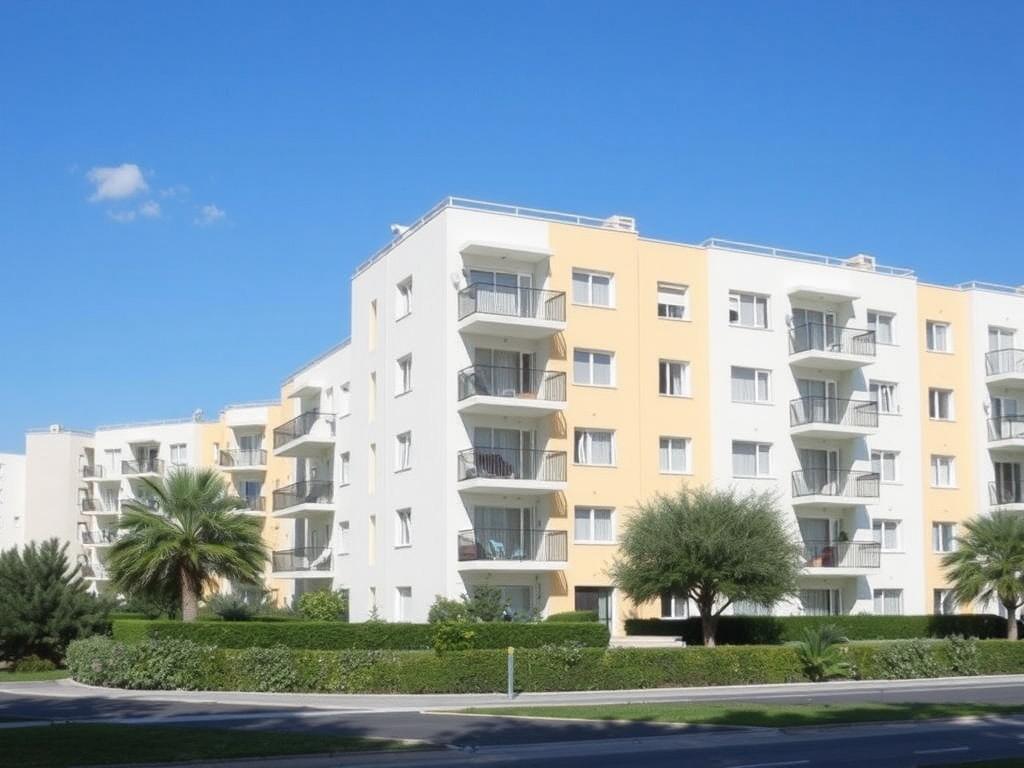
The ongoing trend of building conversion Limassol — turning vacant or underused office spaces into residential units — is significant in redefining the city’s property market. These conversions promise to increase the housing supply 2026 Cyprus residents critically need while simultaneously capitalizing on the existing infrastructure and reducing urban sprawl. Examining this trend involves understanding the drivers behind vacant office spaces Cyprus, the economic and social implications for Limassol, and the technical challenges accompanying adaptive reuse projects.
Understanding the Office Space Landscape in Limassol
Vacant office spaces Cyprus particularly in Limassol have become increasingly prevalent due to shifts in work culture, economic changes, and evolving business needs. The proliferation of remote work, combined with economic realignments, has reduced the need for extensive office footprints, leaving many buildings underutilized or completely vacant. This surplus of office real estate provides a unique opportunity for urban planners and developers to rethink the city’s spatial dynamics.
The limited growth in new office demand has led property owners and investors to consider alternative uses. Developing new residential units on greenfield sites is costly and time-consuming in a city like Limassol, where land availability is limited and regulations are stringent. Therefore, converting existing office buildings into housing not only offers a cost-effective solution but aligns with sustainability goals by minimizing construction waste and leveraging built assets.
Vacant office spaces in Limassol are not only a challenge but an opportunity to redefine urban living through adaptive reuse.
Factors Contributing to Office Vacancy in Limassol
Several factors contribute to rising office vacancies. Shifts toward remote and hybrid work models decreased daily demands for physical office presence. Cypriot companies and multinational firms have downsized or restructured their office footprints, making expansive office blocks redundant. Moreover, some older office buildings lack the infrastructure to support modern technological needs, pushing tenants towards newer, more efficient spaces or alternative arrangements that do not require traditional office setups.
In addition to market forces, regulatory frameworks and tax incentives historically favoured office development until recent years when residential shortages became a priority for local governments. The mismatch between supply and demand reflects structural changes rather than temporary market fluctuations. As a result, many office buildings sit vacant, awaiting viable redevelopment paths.
Adaptive Reuse Real Estate Cyprus: A Strategic Response
Adaptive reuse real estate Cyprus has gained traction as a sustainable and pragmatic urban development approach. Building conversion Limassol projects embody this philosophy, transforming obsolete office buildings into functional, attractive residences. This process preserves the embodied energy of existing structures, reduces the environmental impact associated with demolition and new construction, and accelerates the availability of housing stock.
From a technical perspective, adaptive reuse requires comprehensive assessments of structural integrity, compliance with current building codes, and creative design solutions to convert open-plan offices into comfortable, livable apartments. Challenges such as installing adequate plumbing, providing natural light, and ensuring sound insulation must be overcome without compromising the building’s original design strengths. These projects often ignite innovation in architectural and engineering practices within Cyprus.
Adaptive reuse in Limassol not only extends the lifecycle of buildings but also fosters sustainable urban growth by addressing pressing housing demand.
Technical and Regulatory Challenges
Building conversion Limassol requires close collaboration among architects, engineers, regulators, and developers. Compliance with residential safety standards often mandates significant retrofitting. For example, fire safety measures in office buildings can differ substantially from those required in residential buildings, necessitating upgrades in fire alarms, evacuation routes, and material use.
Moreover, zoning laws and municipal regulations can either facilitate or hinder conversions. Awareness and adjustment of local planning policies have become key to unlocking the potential of office-to-residential Cyprus projects. Developers must navigate approval processes that often involve environmental impact assessments, heritage preservation considerations when dealing with historically significant buildings, and community feedback mechanisms.
Impact of Office-to-Residential Conversions on Housing Supply 2026 Cyprus
The 2026 horizon marks critical projections for housing supply Cyprus-wide, with Limassol at the forefront due to its economic significance and growing population. The conversion of vacant office spaces into residential units directly impacts this supply by accelerating the addition of homes without relying solely on new developments. This approach helps mitigate the anticipated housing deficit driven by population growth, inward migration, and shifting residential preferences.
Models assessing the impact of these conversions point to a marked increase in housing availability, estimated to offset a significant portion of demand by 2026. This is particularly important given the rising costs and limited availability of land parcels for new housing projects. Additionally, repurposing office buildings in central urban areas creates more opportunities for residents to live near workplaces, public transport, and city amenities, promoting sustainable urban living and reducing commuting times.
By 2026, office-to-residential conversions in Limassol could contribute substantially to easing the city’s housing crunch.
Estimating Supply Contributions
To visualize the quantitative impact, here is a simplified data illustration:
| Building Type | Estimated Number of Units Created | Approximate Timeline |
|---|---|---|
| Small Office Conversions (Below 1,000 sqm) | 150–200 units | By 2025 |
| Mid-size Office Buildings (1,000–5,000 sqm) | 500–800 units | 2024–2026 |
| Large Office Complexes (Above 5,000 sqm) | 1,200+ units | 2025–2027 (phased) |
These figures illustrate the scale of potential supply increases, primarily concentrated in urban centers where office vacancies persist.
Economic and Social Implications for Limassol
Beyond merely increasing housing stock, office-to-residential conversions influence the socio-economic fabric of Limassol. For property developers and investors, adaptive reuse projects offer diversification away from a weakening office market. The revitalization of vacant office buildings enhances local real estate values and generates new economic activities linked to construction, property management, and community services.
Socially, adding much-needed housing units helps curb rent inflation and increases affordability. This can attract a more diverse population, including young professionals, families, and expatriates, fostering a balanced demographic mix. Furthermore, by transforming dormant spaces into lively residential enclaves, these projects can reduce urban decay and promote safer neighborhoods.
Adaptive reuse transforms economic challenges into opportunities for urban renewal and social revitalization in Limassol.
Impact on Urban Infrastructure and Services
While advantageous in many respects, rapid conversion projects also present challenges. Increased residential density may strain existing infrastructure such as roads, public transport, water, and electricity supply. Careful urban planning is essential to integrate these changes sustainably. Authorities must coordinate upgrades and expansions to public services in parallel with approving building conversion Limassol proposals.
This planning ensures that the benefits of increased housing supply 2026 Cyprus experience will not be undermined by insufficient municipal support. It also emphasizes the importance of a comprehensive vision that aligns real estate transformations with broader city goals regarding sustainability, quality of life, and economic vitality.
Future Outlook: Balancing Office Use and Residential Growth
Looking beyond 2026, the trajectory of office-to-residential conversions in Limassol will depend on numerous factors, including market dynamics, government policies, and societal trends. While the adaptive reuse real estate Cyprus model delivers immediate benefits, it is not a panacea. An equilibrium must be maintained between preserving essential office capacity for business activities and expanding residential housing.
Long-term strategies could include mixed-use developments that incorporate both office and residential components within the same structures or precincts. This approach preserves live-work-play environments attractive to younger generations and multinational companies alike. Furthermore, innovative architectural designs will continue to enhance the viability of converting obsolete offices without limiting future functions.
Strategic planning is critical to sustaining Limassol’s growth by harmonizing residential expansion with the evolving role of office spaces.
Policy Recommendations for Sustainable Development
In response to the ongoing building conversion Limassol trend, policy makers should consider the following measures:
- Encourage flexible zoning laws to facilitate mixed-use adaptive reuse projects.
- Provide financial incentives or subsidies for conversions targeting affordable housing.
- Streamline permitting processes to reduce delays without compromising safety and quality standards.
- Invest in infrastructure and public services in areas undergoing high residential conversion.
- Foster collaboration between private developers, urban planners, and community representatives.
These initiatives will support a sustainable transformation of the city’s office landscape and optimize the impact of conversions on the housing supply 2026 Cyprus anticipates.
Reimagining Limassol’s Urban Future Through Adaptive Reuse
The conversion of vacant office spaces into residential properties in Limassol exemplifies an innovative response to contemporary urban challenges. This approach unlocks the potential of underused assets, providing much-needed housing amid limited urban expansion options. By 2026, it is expected that these conversions will play a pivotal role in balancing market supply and demand, offering economic renewal and social benefits.
Adaptive reuse real estate Cyprus is not only a solution to physical space constraints but a catalyst for rethinking urban living in Limassol. It requires a coordinated effort between developers, government, and the community to ensure that new residential spaces are safe, affordable, and well integrated into the city’s fabric. The lessons learned and policies adopted in this period will shape the city’s development profile for decades to come.
Ultimately, office-to-residential conversions represent much more than a simple change of usage; they symbolize adaptability, sustainability, and forward-thinking urban renewal. Limassol’s experience offers valuable insights for other cities facing similar realities in a post-pandemic world where work and living patterns continue to evolve.
Frequently Asked Questions
- What is the main reason for converting offices to residential units in Limassol?
The primary driver is the increasing vacancy of office spaces due to shifting work models and reduced demand, combined with a growing need for housing. - How does adaptive reuse benefit the housing supply in Cyprus?
Adaptive reuse enables faster and more cost-effective expansion of the housing stock by repurposing existing buildings instead of new construction. - Are there any regulatory obstacles to office-to-residential conversions in Limassol?
Yes, these projects must comply with local zoning laws, building codes, and fire safety regulations, which can sometimes be restrictive without policy adjustments. - What challenges do developers face when converting office buildings into homes?
Technical challenges include updating infrastructure for residential use, like plumbing and lighting, ensuring structural integrity, and meeting safety standards. - Will office-to-residential conversions affect property prices in Limassol?
Conversions can help stabilize or reduce housing costs by increasing supply and revitalizing neighborhoods, benefiting both renters and buyers. - How significant will these conversions be for the housing supply in 2026?
They are projected to substantially contribute to the overall housing stock growth, offsetting demand pressures in urban centers. - Can mixed-use developments help balance office and residential needs?
Yes, mixed-use projects can integrate workspaces and homes, fostering vibrant urban environments and preserving office capacity for businesses.