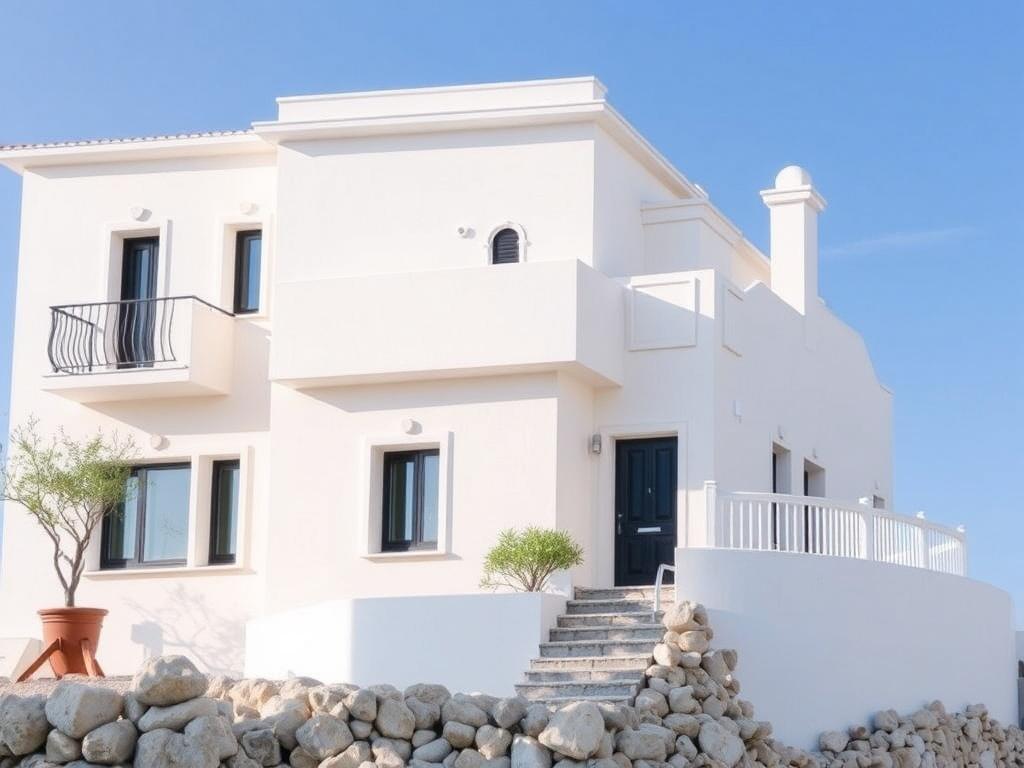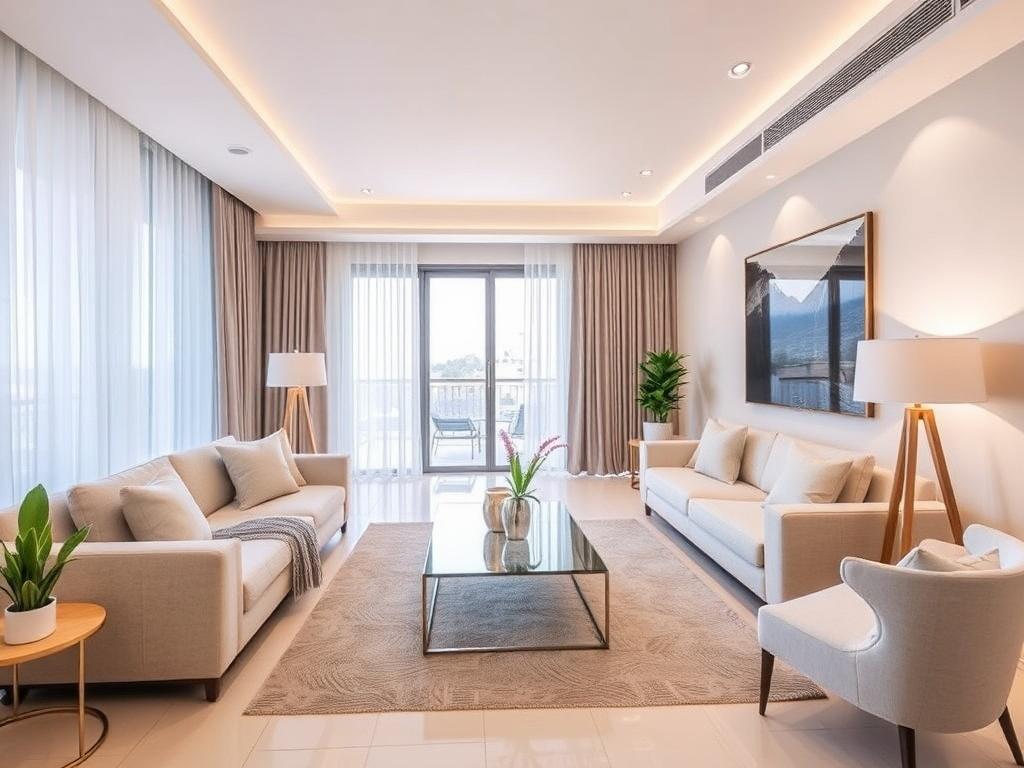
Furnished vs Unfurnished Rentals: What Cyprus Tenants Should Choose
The choice between furnished and unfurnished rentals in Cyprus shapes not only monthly expenses but also lifestyle, contract terms, and long-term plans. Tenants arriving for a short contract, relocating for work, or settling down with family face distinct trade-offs: convenience and speed of move-in versus control, personalization, and potentially lower recurring fees. The island’s rental scene—diverse across coastal Limassol, historic Paphos, student hubs, and expat enclaves—demands a careful assessment of local supply, price dynamics, and legal nuances.
Before committing, it helps to consult a reliable resource on market listings and regulations such as Cyprus real estate to benchmark options and realistic prices. Making an informed decision requires combining market intelligence, an honest appraisal of personal needs, and an understanding of how different rental types affect mobility, cost, and comfort over time.
Choosing the right rental type on Cyprus is about matching time horizon, budget discipline, and lifestyle priorities to the realities of local supply and contracts.
Understanding the Rental Market in Cyprus
Cyprus has a segmented rental market reflecting its role as a tourist destination, an international business hub, and a place for long-term residency. Coastal cities and resort towns have a significant number of furnished offerings aimed at short-term and seasonal tenants, while inland and residential neighbourhoods often show greater availability of unfurnished apartments for long-term residents. The presence of expatriates, EU citizens, and students further diversifies demand patterns and pricing tiers.
Legal frameworks in Cyprus influence tenancy agreements, deposit rules, and landlord responsibilities. Tenancy contracts typically specify inventory lists for furnished units, clarify repair obligations, and set deposit retention conditions for missing or damaged items. Unfurnished leases tend to focus on structural maintenance and utility responsibilities. Understanding these legal subtleties early reduces surprises at the end of tenancy.
Supply-side behavior also matters. Landlords respond to market signals: furnished properties can command higher monthly rents and shorter average tenancies, while unfurnished apartments tend to attract tenants seeking stability and willingness to accept longer contracts. Investors and professional property managers play a role in standardizing furnished inventory—sometimes offering turnkey rental furniture Cyprus packages—while private owners may list minimally equipped units.
Macro factors such as tourism cycles, foreign investment, and local employment trends shape vacancy rates and price volatility. Practical tenant decisions will therefore be influenced both by personal circumstances and by the timing and locality of the search.
Rental availability and contractual details vary by location and season; align lease length with local market cycles to avoid unnecessary cost or disruption.
Furnished Rentals: Benefits and Considerations
Furnished rentals Cyprus are attractive for tenants prioritizing convenience and speed. A furnished unit typically includes major items—beds, sofas, dining set, basic appliances, and sometimes linens and kitchenware—making it possible to move in with minimal baggage. For short-term assignees, holiday renters, and people who expect a high relocation turnover, the ability to start living immediately is a powerful advantage.
Beyond convenience, furnished units often include maintenance and inventory management as part of the landlord’s responsibilities. Well-managed furnished properties may include periodic checks and replacements of worn items, and the landlord’s inventory list in the contract clarifies liability for damage. This arrangement reduces the tenant’s administrative burden and provides predictability for short stays.
However, higher rent and lower flexibility come with these conveniences. Furnished apartments command premiums that reflect amortized furniture costs, convenience fees, and usually more intensive property management. Tenants should expect slightly higher monthly rent compared with equivalent unfurnished apartments, along with possible clauses that restrict adjustments to layout, and limitations on substituting or removing items.
Furnished choices vary significantly by quality and completeness. Some landlords provide basic, functional pieces intended for turnover; others offer premium, designer-level setups. Inspect inventory lists carefully, and if necessary, negotiate terms around damage liability, replacement schedules, and the condition assessment at check-in and check-out. Photographic documentation at move-in is advisable.
- Typical inclusions: bed, couch, dining table, refrigerator, washing machine, stove.
- Optional inclusions: TV, air-conditioning units, curtains, wardrobes, decorative items.
- Common constraints: no alterations, limited storage for personal items, inventory liability clauses.
For tenants who plan short tenancies or who need immediate occupancy, furnished rentals Cyprus deliver speed and lower initial cash outlays. The convenience can offset higher monthly rates if the tenancy is brief or if the tenant values time and logistical simplicity over ownership of furnishings.
Furnished rentals sell convenience: pay more monthly, gain speed of move-in and reduced upfront costs, but accept limits on customization and potential inventory liabilities.
Unfurnished Apartments: Advantages and Drawbacks
Unfurnished apartments Cyprus provide a different proposition. They typically offer lower monthly rents and become the preferred choice for tenants looking to stay for several years, families who want specific layouts, and tenants intending to gradually build their own furniture set. The primary financial advantages include lower rent and the ability to amortize furniture purchases across many years rather than paying a built-in furniture premium to the landlord.
Personalization is a core reason tenants choose unfurnished units. Painting, placing specific furniture, and designing storage solutions matter for those who want to live in a space that matches their taste and routines. In many cases, landlords permit cosmetic changes with consent, and a long-term tenant stands to recoup the cost of improvements through comfort and optimized use of the space.
Yet the initial cost is higher: furnishing an apartment requires a significant upfront investment in items, delivery, and sometimes professional installation. There is also the time cost of sourcing furniture and coordinating deliveries—an important consideration for those relocating on short notice. Additionally, tenants bear the risk of damage or theft of their personal furniture, and some buildings or complexes have rules about external installation of fixtures.
From a leasing perspective, unfurnished apartments often have simpler inventory conditions but can include clauses about returning the property in a certain state. Tenants should carefully review the contract for language on painting, fittings, and exit conditions to prevent deposit disputes.
Unfurnished apartments are ideal for long-term residents who want lower monthly rent and full control over living space, at the price of higher initial setup costs and time investments.
Cost Comparison and Budgeting
A systematic cost comparison clarifies the real trade-offs between furnished and unfurnished choices. Beyond monthly rent, tenants must account for deposits, utility set-up, furniture purchase or rental, delivery and assembly fees, and potential fees for inventory insurance or extended warranties. The decision is effectively a present-versus-future cashflow problem: pay more now (furniture) or pay more monthly (furnishings included).
The table below models typical cost components for a three-bedroom apartment, using representative averages. Exact numbers vary by city and condition, but the table illustrates cost dynamics for a typical one-year horizon versus a three-year horizon.
| Cost Component | Furnished (1-year stay) | Unfurnished (1-year stay) | Unfurnished (3-year stay) |
|---|---|---|---|
| Monthly Rent (average) | €1,800 | €1,450 | €1,450 |
| Upfront Furniture Purchase / Rental | €0 | €6,000 (purchase) | €6,000 (purchase) |
| Moving / Delivery / Assembly | €0 – €150 | €200 – €500 | €200 – €500 |
| Replacement / Maintenance (annual) | €200 | €300 | €900 (3 yrs) |
| Total Cost (approx) | €21,950 (1 year) | €23,650 (1 year incl. furniture amortized) | €52,350 (3 years) |
Interpretation: for a stay of 12 months, higher rent on a furnished apartment can sometimes be offset by avoiding furniture purchase; for stays beyond two to three years, an unfurnished apartment usually becomes more cost-effective given reasonable furniture purchase choices. The break-even point depends on furniture quality choices and the rent differential in the chosen area.
Another financial angle is furniture rental. Cyprus offers rental furniture Cyprus services that spread the cost into monthly payments, lowering initial cash requirements. These services typically charge more in aggregate than buying, but they eclipse furnished rental premiums when tenants require higher-quality or branded furniture without a long-term commitment.
Run a three-year cashflow projection before deciding: short stays lean toward furnished, long stays toward unfurnished—unless furniture rental provides a tailored middle ground.
Location-Specific Choices: Limassol and Paphos
Location changes the calculus. Limassol, with its commercial hubs, international schools, and corporate relocations, tends to have an abundance of higher-end furnished units targeted at expatriates and business travellers. Limassol furnished flats are common in central, seafront, and newly developed complexes where landlords and developers see consistent demand for move-in-ready properties.
Paphos, which mixes tourism with local residential life, features a broad spectrum of options from holiday-style furnished apartments near the coast to more modest, long-term unfurnished units in residential suburbs. For those prioritising lifestyle and work-life balance, Paphos rental properties can offer more square footage and garden space for comparable rents versus major cities, and the choice between furnished and unfurnished is often influenced by seasonality and proximity to tourist hotspots.
City-specific decisions hinge on typical tenancy lengths and tenant profiles. In Limassol, corporate assignments and short-to-medium term contracts favor furnished accommodations. In Paphos, families and retirees who plan to establish roots often prefer unfurnished apartments they can furnish and adapt over time. The local supply of rental furniture Cyprus providers also varies by city, influencing the feasibility of renting versus buying furniture.
Transport, schooling, and proximity to services further influence the choice. For example, a family moving to Limassol for a two-year assignment near an international school might prefer a fully equipped Limassol furnished flat to avoid immediate logistics; conversely, a local family relocating within Paphos might view an unfurnished property as a better long-term investment in comfort and resale value of furnishings.
Match property type to local market realities: Limassol often favors furnished convenience; Paphos rewards long-term personalization and space-oriented choices.
Practical Steps for Tenants: Moving, Furnishing, and Contracts
Making a successful move requires practical planning. Whether choosing furnished rentals Cyprus or an unfurnished apartment, tenants should approach the process methodically: document expectations, confirm inclusions, and build a checklist for move-in and move-out. Vital documents include the inventory list for furnished units, signed condition reports, utility registration receipts, and an explicit deposit handling clause.
Here is a practical sequence to follow when evaluating and finalizing a rental:
- Inspect the unit in person and request a written inventory or condition report.
- Document existing damages with date-stamped photos and agree the record with the landlord.
- Clarify deposit terms, including permitted deductions tied to inventory or structural issues.
- Negotiate utilities and service responsibilities (who pays for AC servicing, water heater repairs, etc.).
- If choosing unfurnished, plan furniture procurement: prioritize essentials and schedule deliveries early.
For those who opt to source furniture, local retailers and international chains operate across Cyprus, and a mix of second-hand markets and bespoke carpenters can lower costs while offering customization. Rental furniture Cyprus firms can bridge the gap for medium-term tenants who want quality without the capital outlay. Always check return conditions and potential wear-and-tear clauses with rental furniture providers.
Negotiate flexibly but clearly. Tenants often have room to negotiate on rent, especially outside peak seasons, or to request that certain basic items (e.g., blinds, white goods) be included. Landlords may be willing to reduce rent marginally in exchange for a longer lease, or to leave certain items for tenant use if the tenant accepts liability for maintenance.
Solid documentation at move-in and a clear written lease save time and money at move-out—treat inventory lists and condition reports as contract-critical documents.
Landlord Perspective and Market Trends
Understanding the landlord’s viewpoint illuminates why certain properties are furnished or unfurnished. Furnishing a property increases its attractiveness to short-term tenants and can increase gross rental income, but it also increases turnover costs and wear-and-tear liabilities. Some landlords use furnished inventory to target premium segments—executives, holidaymakers, or temporary corporate relocations—while others keep units unfurnished to attract long-term locals and avoid frequent replacements.
Market trends in Cyprus reflect broader forces: short-term rental platforms have influenced the availability of furnished units in tourist-favored areas, while regulatory responses and taxation issues can affect landlord willingness to offer short-term lets. Investors now often consider hybrid strategies—offering a mix of furnished units in prime locations and unfurnished units elsewhere to hedge demand cycles.
From an operational standpoint, landlords who opt to supply furnishings typically adopt standardized inventory packages to streamline replacements and maintenance. This standardization helps control costs and simplifies insurance. On the other hand, landlords of unfurnished apartments usually invest in structural quality and long-term upkeep to reduce vacancy risk and attract stable tenants.
Emerging trends include turnkey offerings where investors provide move-in complete units marketed to international arrivals, and modular or plug-and-play furniture that can be swapped between units to maintain quality without constant purchase. Technology also plays a role: digital inventories, check-in apps, and online marketplaces for rental furniture Cyprus help reduce friction for both sides of the lease.
Landlords balance yield and turnover: furnished units generate higher short-term income but raise operational complexity; unfurnished units favor steadier, long-term occupancy.
Making the Right Choice: Decision Framework
The decision rests on a systematic assessment of key factors: intended lease term, relocation logistics, budget constraints, lifestyle preferences, and the local rental ecosystem. Create a decision matrix that weights these factors according to personal priorities and location-specific realities. This logical approach helps avoid emotional, convenience-driven choices that carry hidden long-term costs.
Essential criteria to evaluate and weight:
- Lease horizon: Short (≤12 months), Medium (12–36 months), Long (>36 months).
- Initial cash availability for furniture and associated moving costs.
- Need for personalization or permanence in the living space.
- Work and family considerations: proximity to school, workplace, and services.
- Local market conditions: vacancy rates, typical furnished premium, and availability of rental furniture.
Apply the matrix: if the lease horizon is short and initial cash is limited, lean toward furnished rentals Cyprus or a furniture rental plan. If the horizon is long and the tenant values customization, choose an unfurnished apartment and invest in durable furniture. If mobility is likely but the tenant values quality, a short-term rental furniture Cyprus plan paired with an unfurnished lease can achieve a balance.
Decision-making also benefits from scenario planning. Create best-, base-, and worst-case scenarios: for example, what happens financially and logistically if you need to extend the lease, cut it short, or move to a different city like Limassol or Paphos. Scenario planning reduces the risk of costly moves or undesirable compromises.
Use a weighted decision matrix and scenario planning to align the rental type with financial tolerance, lifestyle needs, and likely stay duration.
Practical Case Studies: Applying the Framework
Case 1 — Corporate assignee: A professional moves to Limassol for an 18-month assignment. Time and convenience are priorities, and relocating a household would be costly. The assignee chooses Limassol furnished flats in a managed complex, trading a 10–15% rent premium for immediate occupancy, included utilities in some cases, and simplified exit processes. The employer contributes to accommodation costs, making the furnished option financially sensible.
Case 2 — Family relocation: A family plans to settle in Paphos for the long term with local schooling and community ties in mind. They opt for a Paphos rental property unfurnished, purchase durable furniture, and invest in local carpentry for built-in storage. Their calculus includes the lower monthly rent, customization for child safety, and the expectation of amortizing furniture costs over many years.
Case 3 — Freelancer with variable income: An individual freelancer expects moderate mobility and uncertain contract lengths. The freelancer selects a hybrid approach—an unfurnished lease but uses rental furniture Cyprus services for the first year to avoid large upfront costs while keeping the option to buy or return furniture based on how their income stabilizes. This reduces financial exposure while retaining flexibility.
Each case demonstrates distinct priorities and how matching the rental type to personal and market conditions reduces cost and stress. The key takeaway is that there is no single “best” option; rather, an optimal choice aligns commitments, cashflow, and flexibility needs with local supply realities.
Concrete scenarios show that matching lease duration with furnishing strategy yields predictable costs and reduces relocation friction.
Practical Checklist Before Signing Any Lease
Before signing, follow a disciplined checklist that mitigates known pitfalls and protects both tenant and landlord interests. The list should be practical, easy to verify during viewings, and included in the final contract as attachments when relevant.
- Confirm inventory list and document condition with photos for all furnished items.
- Verify that major appliances function and request proof of servicing where applicable.
- Confirm precise utility responsibilities and account set-up procedures.
- Agree in writing on deposit calculation, allowable deductions, and return timelines.
- Check for building rules regarding alterations, external storage, or balcony use.
- Discuss renewal terms and whether rent can be renegotiated for longer stays.
- Request landlord or agency identification and verify property ownership where possible.
Adhering to this checklist reduces ambiguity at move-in and protects deposit recovery at move-out. For furnished units, insisting on a signed inventory that both parties initial is especially critical and often reduces disputes significantly.
Use a pre-signing checklist to convert verbal assurances into written contract clauses and reduce future disputes.
What To Choose and Why It Matters
Deciding between furnished and unfurnished rentals Cyprus is less about a universal recommendation and more about matching the rental type to your expected timeline, cashflow tolerance, and lifestyle objectives. Short-term tenants and those who prioritize immediate occupancy typically benefit from furnished units, accepting a higher monthly cost in return for reduced logistics and lower initial expenditure. Long-term residents who value personalization and cost control usually find unfurnished apartments more economical and fulfilling over time.
City context matters: Limassol furnished flats answer the needs of a transient, corporate population, while Paphos rental properties often cater to families and longer-term residents seeking space and stability. Where intermediate flexibility is required, rental furniture Cyprus services and modular solutions create a hybrid pathway, blending convenience with the option to invest in ownership later.
Ultimately, good decisions start with clear priorities. If minimizing upfront spend and moving quickly are paramount, choose furnished. If building a home and minimizing monthly expenses over multiple years are primary, choose unfurnished. For variable horizons, consider rental furniture or phased purchases. Either way, diligent contract review, a signed inventory for furnished units, and a documented condition report at move-in will prevent the most common disputes and preserve deposit return prospects.
Make the selection with an awareness of local market cycles, and revisit the decision if your circumstances change. The right choice reduces stress, protects savings, and aligns your living environment with your daily needs.
Align rental type to duration and priorities: furnish for speed and convenience, unfurnish for long-term control and lower recurring cost; use rental furniture to bridge the gap.
Further Resources and Next Steps
After deciding the type of rental that fits your needs, deepen your research by comparing listings across multiple platforms, visiting potential units in person, and consulting local professionals—agents, inventory inspectors, and legal advisors—who specialize in tenancy law in Cyprus. For a broad overview of listings and market prices consult Cyprus real estate to validate assumptions and refine your budget. Doing the homework up front reduces negotiation stress and improves the odds of a successful tenancy.
If you opt for an unfurnished apartment and plan to buy, create a phased furnishing plan that prioritizes essentials and spreads costs over time. If you choose furnished, negotiate clear clauses about inventory responsibility and replacement schedules. In both cases, document everything at move-in and retain copies of the signed agreement and inventory.
Finally, be pragmatic: priorities change, and a flexible approach—backed by clear documentation—lets you adapt without undue financial penalty.
Research, documentation, and staging decisions around your likely stay duration will turn an emotionally charged move into a rational financial choice.
Frequently Asked Questions
- Q: Which option is generally cheaper for a three-year stay in Cyprus? A: For a three-year stay, an unfurnished apartment is typically cheaper once you amortize furniture costs over time; the break-even point usually occurs between 12 and 36 months depending on rent differentials and furniture quality.
- Q: Can I negotiate furnishings into the lease if a property is listed unfurnished? A: Yes, you can often negotiate for specific items to be included; propose a rent adjustment or a short-term furniture loan agreement and get any additions documented in the lease.
- Q: Are there reputable services for rental furniture in Cyprus? A: Yes; Cyprus has several rental furniture Cyprus providers that offer monthly plans—evaluate contracts for damage liability, minimum terms, and total cost compared with purchase.
- Q: What should I look for on an inventory list for a furnished apartment? A: Ensure the list details each item’s condition, make/model where relevant, and that both parties sign and date the list; take photos and keep copies to avoid deduction disputes.
- Q: Do landlords prefer short-term tenants in Limassol or Paphos? A: Landlords in Limassol often prefer shorter-term, higher-paying tenants due to corporate and expat demand, while many Paphos landlords favour longer-term tenants seeking stability.
- Q: How much deposit can landlords in Cyprus legally require? A: Deposits are typically one to two months’ rent but check the lease for explicit terms; ensure the lease states deposit return conditions and timelines to reduce disputes.
- Q: Should I buy furniture immediately after signing an unfurnished lease? A: Prioritize essentials and consider phased purchases; assess local delivery lead times and resale options, and factor in the lease length before committing to high-cost pieces.