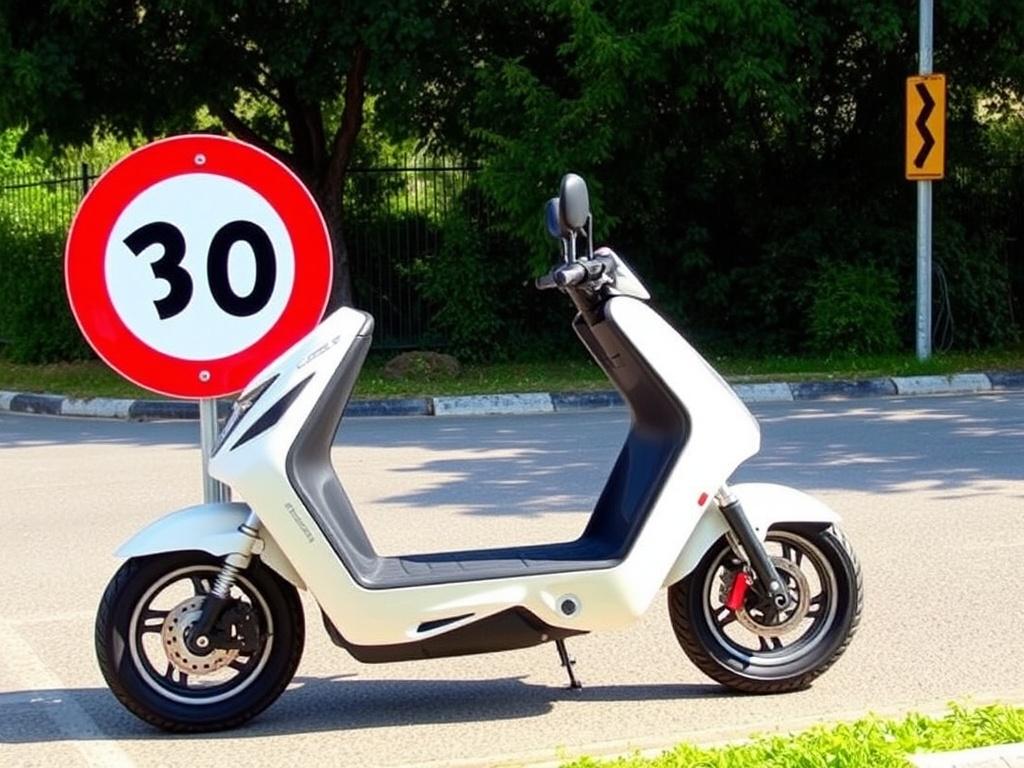
Electric Scooter Road Rules in Cyprus: Speed Limits and Helmet Law
The rise of electric scooters has revolutionized urban transport in many cities worldwide, including those in Cyprus. As an increasingly popular mode of personal mobility, electric scooters — often classified under the umbrella term “personal mobility devices” — demand a clear regulatory framework to ensure safety and proper integration with existing traffic systems. Understanding the intricacies of the e-scooter law in Cyprus is critical for users who want to commute legally and safely. This article dissects the current electric scooter speed limit, helmet requirements, scooter registration processes, and other vital personal mobility device rules shaping the landscape of micro-mobility in Cyprus.
Overview of E-Scooter Adoption and Legislation in Cyprus
Electric scooters have gained considerable traction in Cyprus due to their convenience, environmental benefits, and ease of use. However, this surge has prompted the government to create specific regulations to address safety concerns and public order. The e-scooter law Cyprus encompasses several facets, ranging from speed restrictions to mandatory protective gear, designed to regulate scooter use on public roads.
In context, personal mobility devices like electric scooters are recognized separately from traditional bicycles or motorcycles. This classification is crucial because it informs the rules related to where and how these devices may be operated. The law strikes a balance between encouraging the use of eco-friendly transport and safeguarding pedestrians, riders, and other road users.
Even as e-scooters ease urban commuting, the evolving e-scooter law Cyprus ensures that safety and order remain paramount.
Defining Personal Mobility Devices and Their Role in Cyprus
Under current legislation, personal mobility devices (PMDs) include a variety of small electric vehicles such as electric scooters and hoverboards. Their defining features are compact size, electric propulsion, and the ability for single-person operation. Unlike mopeds or motorcycles, these devices have lower maximum speeds, which reflect their intended use in urban rather than interurban environments.
The government’s objective with these rules is twofold: to integrate PMDs seamlessly into the local transport ecosystem and to prevent accidents caused by misuse or lack of regulation. As a result, personal mobility device rules in Cyprus have been crafted with a focus on speed limits, equipment compliance, and roadway permissions.
Electric Scooter Speed Limit in Cyprus: What Are the Rules?
One of the core elements of the e-scooter law Cyprus focuses on the electric scooter speed limit. This restriction is essential because it directly correlates with rider safety, risk of accidents, and compatibility with other road users. The allowed maximum speed for electric scooters in Cyprus is set thoughtfully, considering both the technical capabilities of the devices and urban traffic conditions.
The legal electric scooter speed limit in Cyprus is 25 kilometers per hour (km/h) on roads and cycle paths where scooters are permitted. In lower speed zones, especially those close to pedestrian-dense areas, scooters are expected to travel at even slower speeds, often around 10 to 15 km/h. This cautious approach is designed to minimize collisions and enhance coexistence between scooters, cyclists, and pedestrians.
It is noteworthy that exceeding the speed limit by even a small margin can result in fines or other penalties, reinforcing the importance of speed regulation in the e-scooter law Cyprus.
Maintaining the electric scooter speed limit of 25 km/h is fundamental for safety and legal compliance in Cyprus.
Impact of Speed Limits on Road Safety and Usage
The set limits reflect a compromise between the desire for efficient transport and the imperative of safety. Speed influences injury severity in accidents, vehicle maneuverability, and the ability of riders to react swiftly to unexpected road conditions.
Studies conducted after the regulation’s implementation indicate a reduction in e-scooter-related incidents when riders adhere to speed limits. Additionally, the limits simplify law enforcement and public understanding of scooter rules, allowing for clearer policing and compliance.
Helmet Requirement Cyprus Scooter Laws: What Riders Must Know
Another fundamental pillar of the personal mobility device rules in Cyprus concerns protective equipment, particularly helmets. The helmet requirement Cyprus scooter legislation mandates has been enforced to reduce head injuries among electric scooter riders, who are vulnerable due to the small size and relatively exposed position on these vehicles.
Cyprus law requires all e-scooter riders to wear an approved helmet at all times when riding on public roads or paths designated for scooters. This requirement applies to riders of all ages and experience levels and aims to mitigate the risks associated with falls or collisions.
Failure to comply with the helmet requirement Cyprus scooter users face may result in penalties such as fines or suspension of scooter use privileges. Authorities emphasize that helmets must meet safety standards — simply wearing any helmet, such as a bicycle helmet without certification, may not be sufficient.
Wearing a certified helmet is compulsory for all electric scooter users in Cyprus, reducing the risk of serious head injury.
Helmet Standards and Enforcement Details
The government has aligned helmet standards with international safety certifications, similar to those used for bicycles and motorcycles. This standardization ensures that helmets provide adequate protection on impact and in various riding conditions.
Authorities conduct random checks and incorporate helmet usage into broader road safety campaigns. Public awareness efforts complement the enforcement approach, promoting the helmet requirement not only as a legal obligation but as a critical personal safety measure.
Scooter Registration Cyprus: Are Electric Scooters Required to Be Registered?
Unlike motorcycles or mopeds, which require formal registration, Cyprus does not generally require the registration of electric scooters. However, this absence of a formal registration system does not mean the scooters are free from regulation or scrutiny.
The e-scooter law Cyprus classifies scooters under personal mobility devices, which exempts them from traditional vehicle registration due to their low speed and size. This exemption primarily facilitates easier access and ownership while maintaining regulatory oversight through other mechanisms such as speed and equipment regulations.
Despite no obligation to register, riders should be aware that some models or use cases might push a scooter into categories requiring registration, particularly if modifications increase the scooter’s power or speed beyond legal limits. Owners should consult the latest legal guidelines to determine if their device qualifies for registration based on classification changes.
Electric scooters remain unregistered in Cyprus, but users must comply with speed and safety rules to avoid legal complications.
Possible Future Regulatory Changes
The micro-mobility sector is rapidly evolving, and Cyprus government agencies periodically review personal mobility device rules to adapt to emerging trends. There is a growing consideration of introducing lightweight registration frameworks or identifier tags for scooters to improve accountability and enforcement, especially as scooter-sharing programs expand.
Such regulatory updates will aim to balance innovation, ease of use, and public safety without introducing excessive bureaucracy. For now, the lack of mandatory registration keeps e-scooter acquisition and use accessible but not beyond regulation.
Comprehensive Personal Mobility Device Rules in Cyprus
While speed limits, helmet requirements, and scooter registration are cornerstones, the personal mobility device rules in Cyprus extend to broader areas to ensure harmonious coexistence on roads and sidewalks. These rules cover locations where electric scooters may be operated, rider age restrictions, and compliance with traffic signals and signage.
For instance, electric scooters are permitted on cycle paths and certain roads but are generally prohibited from busy pedestrian sidewalks to prevent accidents. Riders must also adhere to general traffic codes, such as stopping at red lights and yielding to pedestrians at crosswalks.
Minimum age restrictions exist, usually requiring riders to be at least 15 years old. These rules acknowledge the maturity and responsibility levels necessary for operating a motorized vehicle safely.
Personal mobility devices in Cyprus operate under a framework that balances access, responsibility, and public safety.
Key Do’s and Don’ts for Electric Scooter Riders in Cyprus
| Do’s | Don’ts |
|---|---|
| Always wear a certified helmet when riding. | Do not exceed the 25 km/h speed limit. |
| Use designated cycle paths or roads approved for scooters. | Avoid riding on busy pedestrian sidewalks. |
| Obey all traffic signals and road signs. | Do not carry passengers on a single-person scooter. |
| Follow minimum age requirements and ensure maturity. | Don’t ride under the influence of alcohol or drugs. |
Riding Safely and Respecting the Law: The Path Forward for Cyprus’ E-Scooter Users
Electric scooters offer a flexible and efficient mode of transport in increasingly busy cities. Cyprus has positioned itself to encourage this trend while embedding safety at the heart of all personal mobility device rules. Riders who grasp the nuances of the e-scooter law Cyprus not only ensure compliance but also contribute to a safer environment for everyone.
Safety begins with respecting the electric scooter speed limit and wearing helmets, which remain the simplest yet most effective ways to reduce injury risk. Moreover, understanding where scooter use is allowed, age eligibility, and local traffic laws fosters responsible riding habits.
Enforcement remains vigilant but also supportive, combining penalties with efforts to raise public awareness. This approach underscores that regulations exist not to hamper mobility, but to make it sustainable and safe.
As urban transport evolves, Cyprus’ regulatory landscape for electric scooters will continue to adapt. Riders are encouraged to stay informed about changes and upgrades to the laws governing their devices. Compliance and conscious riding will guarantee that personal mobility devices remain a positive force in Cyprus’ transport ecosystem.
In Cyprus, the future of electric scooters hinges on responsible riding and adherence to evolving personal mobility device rules.
Stay Ahead: Essential Takeaways for Electric Scooter Riders in Cyprus
Operating an electric scooter in Cyprus today is straightforward if one adheres to the key rules encapsulated in the e-scooter law Cyprus. The maximum permitted speed of 25 km/h, strict helmet requirements, and the absence of mandatory registration distinguish Cyprus’ approach as pragmatic and safety-conscious.
As the integration of these devices into everyday transport deepens, users who commit to these guidelines will experience fewer disruptions, enjoy legal protection, and contribute to a safer community.
Whether commuting for work, leisure, or last-mile connectivity, knowledge of these regulations is indispensable. The balance Cyprus has struck—between freedom of movement and public safety—exemplifies a model approach to personal mobility device regulation.
Clear understanding and active compliance with Cyprus’ e-scooter regulations empower riders and enhance urban mobility for all.
Frequently Asked Questions about Electric Scooter Road Rules in Cyprus
- Is wearing a helmet mandatory for all electric scooter riders in Cyprus?
Yes, Cyprus requires all electric scooter riders to wear certified helmets at all times when riding on public roads or approved paths. - What is the legal speed limit for electric scooters in Cyprus?
The maximum allowed speed is 25 km/h on roads and cycle paths where scooters are permitted. - Do electric scooters need to be registered in Cyprus?
No, electric scooters are currently exempt from registration requirements under Cyprus law. - Where am I allowed to ride my electric scooter in Cyprus?
Electric scooters can be ridden on cycle paths and certain roads but are generally prohibited on busy pedestrian sidewalks. - What is the minimum age to legally ride an electric scooter in Cyprus?
Riders must be at least 15 years old to operate an electric scooter legally. - Are scooter sharing services regulated differently than privately owned scooters?
Scooter sharing services follow the same basic rules; however, operators may adhere to additional safety standards and local ordinances. - What penalties exist for breaking the e-scooter laws in Cyprus?
Penalties include fines and potential suspension of scooter privileges, particularly for speeding or not wearing a helmet.