Mandatory Recycling Regulations for Apartment Blocks: Manager Checklist
Effective waste management in apartment blocks has become crucial in addressing environmental challenges worldwide. This is particularly true in regions like Cyprus, where urbanization and tourism heighten the demand for sustainable waste solutions. Apartment recycling Cyprus initiatives, guided by Cyprus waste management regulations, set clear standards for proper waste disposal that apartment managers must strictly follow. Understanding the detailed requirements—including the implementation of recycling bins Cyprus law mandates, and adhering to the waste separation rules Cyprus enforces—is essential for building managers to perform their duties effectively.
This comprehensive article provides a practical and technical overview of the legal recycling responsibilities for apartment block managers. It serves as a checklist, outlining the essential steps for compliance and facilitating better environmental stewardship. Besides detailing the legal framework, this guide explores the operational challenges, solutions, and best practices for managing shared waste facilities in multi-unit residential buildings under Cyprus law.
The Legal Framework of Recycling: Cyprus Waste Management Regulations
The backbone of apartment recycling duties in Cyprus stems from a well-defined set of laws and regulations designed to reduce landfill dependency and promote the circular economy. Cyprus waste management regulations align with broader European Union directives, creating a legal landscape that mandates segregation of waste streams and correct disposal practices in residential sectors. These regulations are no longer optional; failure to comply results in penalties for building managers and owners alike.
Under the current legal framework, apartment block managers must ensure that all waste streams—such as plastics, paper, glass, and organic waste—are properly separated and deposited into designated bins that conform to Cyprus standards. Importantly, these laws specify not only which materials must be separated but also how the facilities should be maintained and monitored.
For any apartment manager, familiarity with the legislation’s detailed recycling prescriptions is non-negotiable. These regulations provide the foundation for all operational procedures and underscore the manager’s role in enforcing compliance among residents.
Understanding Cyprus waste management regulations is the first step for apartment managers to uphold responsible, legal, and effective recycling practices.
Building Manager Recycling Duties: An Operational Overview
The role of a building manager goes beyond general maintenance—they are pivotal in implementing the mandatory recycling regulations for apartment blocks. Their duties extend through several operational layers, including setup, education, enforcement, and ongoing monitoring. Managing recycling correctly means fostering a culture of accountability and environmental responsibility among residents, which requires consistent attention and effort.
Key responsibilities for building managers include:
- Installing and maintaining recycling bins that meet Cyprus recycling bins Cyprus law specifications
- Labeling bins clearly according to waste separation rules Cyprus prescribes
- Communicating recycling policies and procedures to all residents
- Coordinating with waste collection services to ensure timely removal and processing of segregated waste
- Monitoring resident compliance and reporting breaches where necessary
Building managers must also keep detailed records that can be audited by municipal or national authorities. These include waste disposal logs, maintenance schedules for bins, and documentation of communication efforts with residents. Transparency and diligence in these areas minimize legal risks and improve operational efficiency.
Effective building manager recycling duties hinge on active leadership, clear communication, and meticulous administrative oversight.
Understanding Waste Separation Rules Cyprus Enforces
The waste separation rules Cyprus enforces are detailed and precise. These regulations require residents to separate waste into distinct categories to facilitate recycling and reduce contamination rates. Different materials demand different handling and disposal techniques, all established by the national guidelines to maximize resource recovery.
The principal categories usually include:
- Paper and Cardboard: Newspapers, magazines, cartons (clean and dry)
- Plastics: Bottles, containers, and rigid plastics without food residue
- Glass: Jars and bottles, excluding broken glass or ceramics
- Organic Waste: Food scraps, garden waste, handled via composting or organic waste plants
- Metal: Cans, tins, aluminum foil, separated separately or included in plastics depending on local collection systems
Failure to adhere to these rules not only risks contaminating recyclable streams but may also lead to fines or other enforcement actions targeting both residents and the building manager. Managers must initiate educational programs tailored to residents, ensuring awareness of what can and cannot be recycled. Multi-language signs and regular updates can also help overcome language or understanding barriers in diverse apartment communities.
Bin Design and Placement Requirements Under Cyprus Law
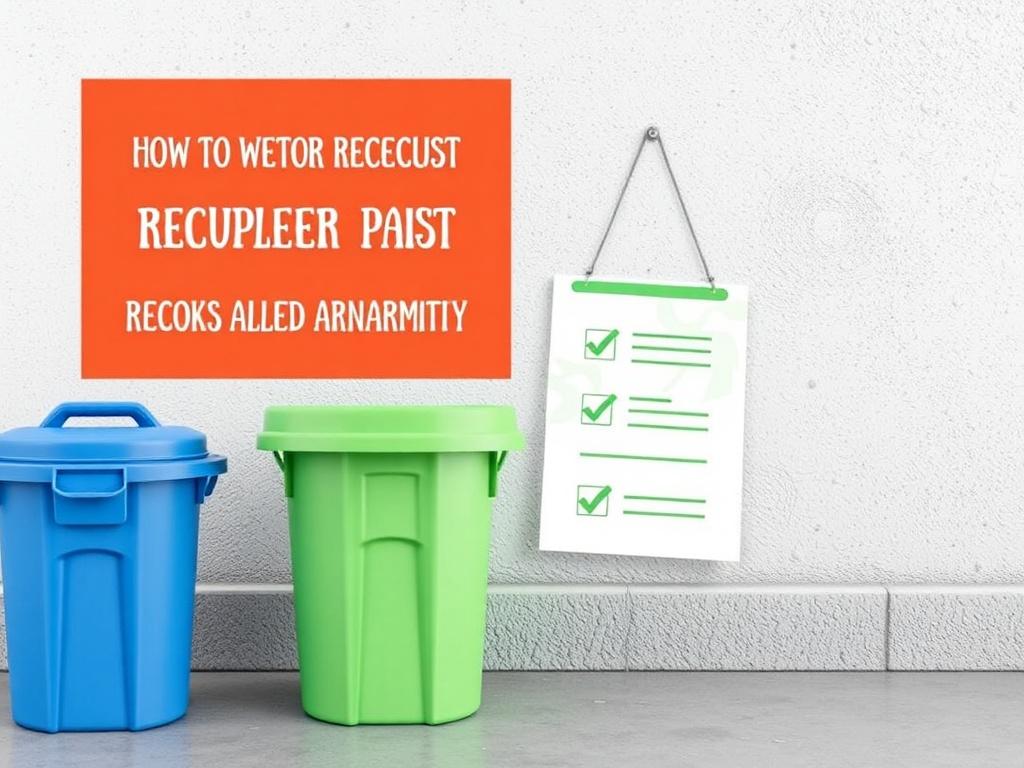
Recycling bins Cyprus law mandates are designed to be user-friendly, clearly labelled, and accessible to all residents. Bins generally come in color-coded varieties, with standard colors and labeling established by regulations to avoid confusion:
| Bin Color | Waste Type Accepted | Key Notes |
|---|---|---|
| Blue | Paper and Cardboard | Must be clean and flattened |
| Yellow | Plastic packaging and metal cans | No food residues allowed |
| Green | Glass bottles and jars | Exclude drinking glasses and ceramics |
| Brown or Green | Organic waste | Used for compostable materials only |
| Grey or Black | General waste | Non-recyclable waste no other bins accept |
Bins must be placed in common areas where all apartment residents can access them reliably, such as near building entrances, parking areas, or specific waste disposal rooms. Proper signage must accompany bins to reinforce the segregation rules.
Clear labeling and strategic bin placement are essential to reduce contamination and increase recycling rates in apartment blocks.
Implementing a Recycling Program: Step-by-Step Manager Checklist
Creating a compliant and successful recycling program requires more than just placing bins. The building manager must methodically implement each step to ensure the system works smoothly and regulatory requirements are fully met. Below is a detailed checklist managers should follow:
- Legal Compliance Review: Study the local Cyprus waste management regulations thoroughly to understand obligatory standards.
- Resident Survey and Needs Assessment: Gauge the tenant population and waste output to select sufficient bin quantity and capacity.
- Procure Approved Recycling Bins: Obtain recycling bins Cyprus law specifies, ensuring correct color coding and durability.
- Designate Bin Locations: Select easily reachable areas that prevent contamination and illegal dumping.
- Community Education: Develop a communication strategy that includes leaflets, posters, and meetings explaining waste separation rules Cyprus requires.
- Regular Monitoring: Conduct inspections to ensure residents are following separation guidelines and bins are not overflowing.
- Cooperate with Waste Collectors: Align pickup schedules to avoid accumulation and ensure efficient waste flow.
- Maintain and Repair Bins: Regularly check for wear and damage and replace bins as necessary.
- Document All Actions: Keep records of maintenance, resident communications, and waste collection.
- Continuous Improvement: Review program effectiveness quarterly and adjust procedures based on feedback and inspection results.
Following this checklist helps managers avoid costly errors and promotes long-term sustainability within their apartment communities.
Common Challenges and Solutions in Apartment Recycling Cyprus
Despite clear regulations and best practices, many apartment blocks face practical challenges in implementing mandatory recycling programs. Understanding these obstacles and adopting proven solutions is critical to program success.
One frequent issue is contamination—when residents place non-recyclable waste in recycling bins. This reduces the quality of recyclables and often means entire loads must be discarded. To combat this, managers should organize periodic awareness campaigns and use better signage to clarify what can and cannot be recycled.
Another obstacle is improper bin placement. Bins located too far from apartments, or in poorly ventilated areas, become inconvenient or unpleasant to use, discouraging proper recycling. Selecting well-lit, accessible locations can significantly increase participation rates.
Operational load is also a challenge. If waste collection services are irregular or insufficient, bins can overflow, leading to illegal dumping or pests. Coordinating closely with municipal waste services to optimize pickup frequency is essential.
Finally, language barriers in culturally diverse apartment communities may cause misunderstanding of the separation rules Cyprus stipulates. Managers should consider multilingual instructions and visual aids that transcend language limitations.
Strategic education, close coordination, and thoughtful infrastructure placement directly mitigate common recycling challenges in apartment buildings.
Technology and Innovation Supporting Building Manager Recycling Duties
Technological advancements are transforming how apartment block managers meet their recycling mandates. Smart waste management systems and digital tools provide innovative solutions to improve compliance and ease operational burdens.
Smart recycling bins equipped with sensors can detect fill levels, triggering alerts when bins require emptying. This prevents overflow and reduces collection inefficiencies. Some systems even track user participation to identify problem areas or inactive residents.
Mobile applications allow managers to disseminate recycling information, send reminders about proper waste separation, and report issues quickly. These platforms can also serve as feedback channels, making residents feel more engaged and personally responsible for sustainability targets.
Data analytics help managers monitor waste volumes and recycling rates over time, enabling them to adjust strategies based on real usage patterns rather than assumptions. This evidence-based approach enhances the effectiveness of mandatory recycling programs under Cyprus regulations.
Embracing digital tools and smart technologies empowers building managers to fulfill their recycling duties more efficiently and transparently.
What Happens if Apartment Managers Fail to Comply with Recycling Regulations?
Non-compliance with the mandatory recycling regulations in Cyprus can have substantial consequences for apartment block managers and their communities. The state’s regulatory bodies maintain rigorous enforcement to meet environmental goals, including imposing fines and legal actions against offenders.
Penalties may range from monetary fines to restrictions on property operations. In some cases, repeated violations can lead to escalation, including involvement of environmental protection agencies and public documentation of non-compliance, which harms the reputation of the property and its management.
Beyond legal consequences, failure to follow Cyprus waste separation rules undermines environmental sustainability efforts and impacts the community’s health and well-being. It can also affect the market value of apartment properties and deter environmentally conscious tenants.
Therefore, proactive compliance is not only a legal obligation but also a strategic advantage in maintaining a desirable, responsible living environment.
Building a Sustainable Future: Why Apartment Recycling Cyprus Matters
The success of mandatory recycling regulations relies heavily on the commitment of those managing residential properties. Apartment recycling Cyprus programs contribute significantly to reducing landfill pressures, conserving natural resources, and mitigating climate change impacts. Building managers have a frontline role in this environmental stewardship, acting as the bridge between policy and everyday practice.
Engaging residents, applying regulations accurately, and leveraging new technologies are key to embedding sustainability into apartment living. Cyprus’s unique environmental context, including its tourism sector and limited land resources, intensifies the importance of effective waste separation and recycling.
By fulfilling their recycling duties under Cyprus waste management regulations, apartment block managers directly contribute to the island’s broader ecological and economic sustainability goals, fostering a more resilient and cleaner future for all.
Apartment managers who take ownership of recycling duties become crucial agents in Cyprus’s environmental preservation and sustainable growth.
Final Step: Your Essential Recycling Management Checklist for Apartment Blocks
Taking control of mandatory recycling regulations in apartment blocks means committing to a series of well-defined, practical steps. From legal knowledge and infrastructure setup to ongoing education, monitoring, and technology adoption, building managers play a decisive role. By conscientiously following the Cyprus waste management regulations and supporting residents through clarity and cooperation, recycling ceases to be a burden and becomes a shared community success.
Use this checklist to ensure no critical duty is overlooked:
- Keep updated with all Cyprus recycling law changes and amendments
- Install compliant, clearly labeled, and sufficient recycling bins in strategic locations
- Educate and engage residents continuously about waste separation rules Cyprus enforces
- Maintain open communication with local waste management authorities and service providers
- Utilize technology to track and optimize waste collection and resident participation
- Monitor and document all recycling activities for accountability and legal compliance
- Address issues promptly and adapt the program based on resident feedback and operational data
Remember, effective apartment recycling management is a dynamic process. Keeping ahead in knowledge, infrastructure, and community relations is the way forward to meeting legal obligations and advancing Cyprus’s sustainability environment.
Frequently Asked Questions
- What are the main waste categories that apartment residents in Cyprus must separate?
Residents must separate paper and cardboard, plastics, glass, organic waste, and sometimes metals, following Cyprus waste separation rules. - Who is legally responsible for ensuring recycling compliance in apartment blocks?
The building manager holds primary responsibility for enforcing recycling regulations and educating residents. - Are there specific types of recycling bins mandated by Cyprus law?
Yes, Cyprus requires color-coded bins designated for different waste streams, including blue for paper, yellow for plastics and metals, green for glass, and brown or green for organic waste. - How often must recycling bins be emptied in apartment buildings?
Frequency depends on waste generation but should be regular enough to avoid bin overflow and contamination, coordinated with local waste collection services. - What penalties can building managers face for non-compliance?
Penalties include fines, legal sanctions, and damage to property reputation; repeated violations can lead to heightened enforcement actions. - Can technology help in managing apartment recycling programs?
Yes, smart bins and digital communication tools improve monitoring, resident engagement, and operational efficiency. - How can managers improve resident participation in waste separation?
Providing clear information, signage, multilingual materials, regular reminders, and addressing concerns promptly enhances compliance.