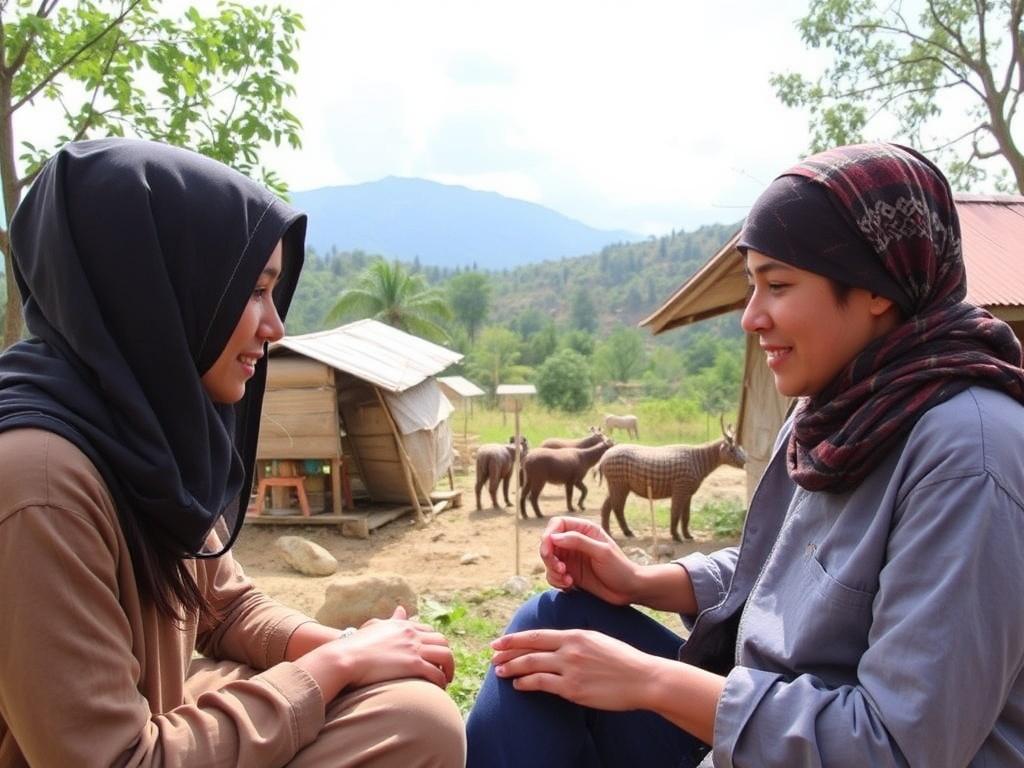
Digital Nomad Influx Post-Pandemic: Shifting Demand Toward Rural Homes
The global upheaval caused by the COVID-19 pandemic triggered massive shifts in work habits, lifestyle preferences, and real estate demand patterns. Among these changes, the rise of remote work has fueled a significant migration of digital nomads moving away from urban centers toward rural areas. This movement has accelerated a rural real estate boom in places often overlooked before the pandemic. Cyprus, with its attractive climate, rich culture, and emerging digital infrastructure, exemplifies this new trend more than most.
This article delves into the mechanics behind the surge in remote work property demand, the growing appeal of village housing market Cyprus, and the broader nomad relocation trend reshaping property markets on the island and beyond. Understanding these dynamics provides valuable insight into how rural homes are increasingly sought after by digital nomads seeking balance, community, and quality of life in a post-pandemic world.
The Rise of Digital Nomads in a Post-Pandemic World
Before the pandemic, digital nomadism was a niche lifestyle, accessible largely to tech-savvy freelancers, entrepreneurs, and professionals in the creative industries. Work was often tied to specific locations, limiting geographical freedom. The global health crisis changed this paradigm dramatically. Companies worldwide adopted remote work almost overnight, unlocking the possibility for their employees to work from virtually anywhere. The entrenched daily commutes vanished, replaced by Zoom calls and cloud-based collaboration tools.
This freedom ignited a movement of urban residents craving more space, affordability, and lifestyle quality. Many digital nomads, particularly those from Europe and North America, began searching for destinations that offered warm climates, slower paces of life, and a strong community of remote workers. Cyprus emerged as a preferred destination due to its welcoming policies, digital nomad rural Cyprus initiatives, and affordable village housing market Cyprus options. The island’s strategic location between Europe, Africa, and the Middle East adds to its appeal, providing easy access to diverse regions.
The influx of such remote workers stimulated the local property market significantly. The rural real estate boom Cyprus has witnessed is not just a localized phenomenon; it mirrors similar rural shifts in Spain, Portugal, Greece, and other Mediterranean countries.
Remote work’s rise is more than a trend—it’s reshaping where and how people live, pushing digital nomads toward rural homes in places like Cyprus seeking community, affordability, and quality of life.
Remote Work Property Demand: The Drivers Behind the Shift
Remote work property demand surged due to several intersecting factors. First, the technological infrastructure improvements allowed high-speed internet access in previously underserved rural areas. Second, the pandemic grounded international travel for a long period, prompting many to explore permanent or semi-permanent relocation options instead of temporary stays.
The cost differential between urban centers and remote rural areas is significant. In cities where office rents and apartment prices skyrocketed, rural homes became increasingly attractive. For digital nomads, this often translated into better value for money—larger living spaces, availability of outdoor environments, and closer access to nature, all while maintaining connectivity.
Cyprus capitalized on this dynamic by promoting village housing market Cyprus properties that cater specifically to the needs of remote workers. Its government introduced incentives such as digital nomad visas, easing residency requirements and encouraging remote professionals to relocate for longer periods.
Another key driver is the desire for lifestyle improvements. Stressful urban environments, long commutes, and crowded living conditions prompted many to seek tranquility, community engagement, and wellness-oriented living, which are more achievable in rural settings. Many digital nomads prioritize a healthy work-life balance, making rural areas in Cyprus and elsewhere ideal.
Property demand among remote workers has exploded as tech infrastructure meets affordability and lifestyle needs, particularly in rural regions offering connectivity and quality living environments.
Table: Comparing Urban vs Rural Attractiveness for Remote Work Properties
| Aspect | Urban Areas | Rural Areas (Cyprus) |
|---|---|---|
| Cost of Living | High | Lower, affordable housing |
| Internet Infrastructure | Reliable but often congested | Improved with recent upgrades |
| Community | Large and diverse but impersonal | Smaller, close-knit community |
| Access to Nature | Limited green spaces | Ample, scenic surroundings |
| Work Environment | Office spaces, co-working hubs | Home offices, quiet spaces |
The Village Housing Market Cyprus: A Closer Look
The village housing market Cyprus has undergone remarkable changes driven by the nomad relocation trend. Historically, rural Cypriot villages were seen as aging communities with minimal appeal for young professionals. The pandemic transformed this perception as young digital nomads and remote workers began investing heavily in these rural homes, either buying them outright or leasing for extended stays.
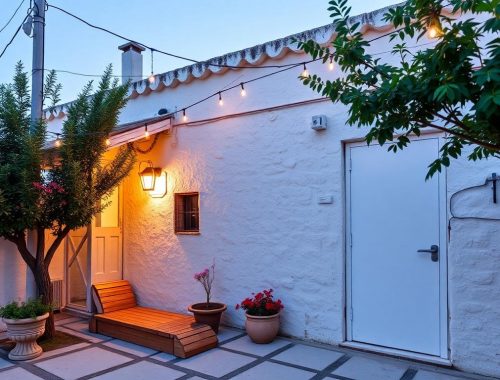
A resurgence in restored traditional houses using sustainable methods has been noted, often blending modern conveniences with authentic architectural styles. This not only preserves the cultural heritage but also attracts nomads seeking unique living experiences connected to the land and traditions.
Local real estate agents note that interest in rural homes surged for properties priced 30% to 50% lower than coastal or urban equivalents. These homes often come with outdoor spaces, gardens, and the possibility of agricultural pursuits, which strongly appeals to digital nomads interested in integrating local experiences into their lifestyle.
Cyprus’ government and local municipalities have increasingly supported this trend by upgrading infrastructure—roads, internet, and community centers—to accommodate growing populations. Investment in public services, such as health clinics and schools, also reassures nomad families considering longer-term relocation.
Village homes in Cyprus have transformed from overlooked relics into highly sought-after properties, anchoring the rural real estate boom fueled by digital nomad interest.
Key Features Driving Village Housing Market Demand
- Authentic architecture fused with modern renovations.
- Lower acquisition and living costs compared to cities.
- Proximity to nature and outdoor activities.
- Enhanced digital connectivity supporting remote work.
- Community integration and cultural experiences.
Understanding the Nomad Relocation Trend
The nomad relocation trend is not simply a desire to escape cities; it reflects a broader change in how people conceptualize home, work, and community. The pandemic gave remote workers a taste of location freedom, but relocation involves complex decisions beyond internet speed and rental costs.
Digital nomads now prioritize environments that support mental well-being, social connections, and sustainable living. For many, temporary stays in short-term rentals during travel have transformed into permanent moves to rural settings that offer stability and belonging—often previously elusive in nomadic lifestyles.
Cyprus stands out as a destination that responds well to these criteria thanks to its temperate climate, friendly population, relatively low crime rates, and growing infrastructure geared toward digital nomads. Many professionals choose rural homes to establish roots, get involved in local culture, or even start small businesses and community projects, reinforcing their commitment to their new environments.
This trend coincides with the rise of remote-friendly legislation and services, such as digital nomad visa programs, coworking spaces in rural towns, and local government initiatives to attract remote work tourism. These elements combine to make rural homes in Cyprus not just second options but primary choices for many.
Nomad relocation is evolving from fleeting stays into genuine resettlement, with Cyprus’ rural areas offering the stability, community, and quality of life digital workers seek.
Rural Real Estate Boom Cyprus: Economic and Social Implications
The rural real estate boom Cyprus is experiencing carries significant economic and social implications. On one hand, the influx of relatively affluent digital nomads revitalizes small communities, injecting capital into local economies. Renovations of old properties, increased demand for local services, and grassroots business development create positive multiplier effects.
However, challenges accompany this rapid growth. Rising property prices risk pricing out traditional residents or destabilizing established socio-economic balances. Municipalities must carefully balance encouragement of this new wave with preservation of the villages’ character and affordability.
From an economic perspective, the remote work property demand has spurred innovation in service offerings, including country retreats designed specifically for professionals, specialized coworking hubs in rural areas, and hybrid hospitality-rental models tailored to longer stays. This diversification helps rural Cyprus economies reduce dependence on seasonal tourism and agriculture alone.
Socially, new residents often bring global perspectives, skills, and networks, fostering cross-cultural exchanges. The challenge lies in ensuring true integration rather than isolated digital enclaves, which requires proactive community engagement and inclusive planning by local authorities.
Table: Benefits and Challenges of the Rural Real Estate Boom in Cyprus
| Aspect | Benefits | Challenges |
|---|---|---|
| Economic | Increased property values, business growth, job creation | Risk of property inflation, uneven wealth distribution |
| Social | Cultural exchange, community revitalization | Potential social displacement, cultural friction |
| Infrastructure | Enhanced digital and physical infrastructure | Strain on public services if growth outpaces capacity |
This real estate evolution demands thoughtful management to sustain economic growth and social harmony amid Cyprus’ rural transformation.
The Future Outlook: Sustaining Growth and Community in Cyprus’ Rural Real Estate
Looking forward, the digital nomad rural Cyprus movement and rural real estate boom present exciting prospects but require strategic foresight. For sustained success, a multi-stakeholder approach is essential. Policy frameworks must promote affordable housing projects alongside luxury rural homes, ensuring both newcomers and locals have equitable access to the market.
Investment in education and local entrepreneurship supports community resilience and helps integrate digital nomads more deeply into village life. Furthermore, advancing broadband infrastructure remains critical to maintain the island’s appeal as a remote work hub.
Environmentally, balancing development with the preservation of Cyprus’ natural landscapes and agricultural heritage will be a priority. Sustainable development can align with digital nomads’ preference for eco-friendly lifestyles, thus creating a virtuous cycle.
Real estate experts predict that the village housing market Cyprus will continue evolving, with an increasing number of remote workers considering rural homes not just as temporary escapes but as permanent residences. The nomad relocation trend is expected to catalyze a demographic shift, enriching rural areas with young professionals, families, and entrepreneurs who contribute to a vibrant, diverse population.
Cyprus’ strategic position and ongoing policy support suggest it will remain a leading Mediterranean destination for digital nomads seeking rural living with modern connectivity, fueling a sustainable rural real estate boom well into the decade.
Cyprus stands at the forefront of integrating rural charm with modern remote work demands, promising a balanced future for its real estate market and rural communities.
Discovering New Roots: How Digital Nomads Are Shaping Rural Cyprus
The convergence of remote work and lifestyle aspirations signals a paradigm shift where rural homes are no longer fallback options but preferred homes for a new generation of workers and creators. Digital nomad rural Cyprus exemplifies how global trends manifest locally, transforming the village housing market Cyprus and driving a sustainable rural real estate boom Cyprus deserves attention.
This transformation is about more than property. It’s about reshaping social fabrics, economic pathways, and environmental stewardship in rural Cyprus. The nomad relocation trend continuously challenges assumptions about where and how people can live productive, fulfilling lives. It encourages long-term thinking about community building, innovation, and inclusivity in less urbanized settings.
As these dynamics unfold, the need for balanced development, cultural sensitivity, and infrastructure investment grows. The rural real estate boom Cyprus inspires today holds the potential to serve as a global case study in harmonizing technological progress with rural revitalization—offering lessons for other regions experiencing similar shifts.
Ultimately, digital nomads in rural Cyprus are not just transients; they are pioneers planting new roots, cementing a transformative chapter in the island’s ongoing story.
Frequently Asked Questions
-
What makes rural Cyprus attractive to digital nomads compared to urban areas?
Rural Cyprus offers lower living costs, tranquility, authentic village lifestyle, and improved digital infrastructure, making it ideal for remote workers seeking balance and community. -
How has the demand for remote work properties impacted the village housing market Cyprus?
Demand has increased property values, driven renovations, and increased interest in rural homes, causing a significant shift from urban to rural real estate markets. -
Are there government initiatives in Cyprus supporting digital nomads?
Yes, Cyprus has launched digital nomad visa programs and invested in improving rural internet connectivity to attract and retain remote professionals. -
What challenges does the rural real estate boom create for local communities?
Key challenges include rising property prices, potential displacement of locals, strain on public services, and the need to balance development with cultural preservation. -
Will the nomad relocation trend to rural areas in Cyprus continue post-pandemic?
Yes, evidence suggests sustained interest as remote work normalizes, supported by infrastructure improvements and lifestyle appeal in rural communities. -
How do digital nomads integrate into traditional rural Cypriot communities?
Integration happens through community engagement, participation in local culture, and contributions to local economies, though efforts are needed to avoid isolated enclaves. -
What are the environmental considerations related to the rural real estate boom in Cyprus?
Sustainable development is essential to protect natural landscapes and agricultural heritage, aligning with many nomads’ eco-conscious values.