Infrastructure Boom Watch: Limassol-Paphos Highway Expansion Drives Suburban Land Prices
The recent acceleration of infrastructure development in Cyprus, particularly the Limassol Paphos highway expansion, is reshaping the real estate landscape across the island. As transport projects redefine connectivity and accessibility, suburban land price growth in Cyprus is becoming a phenomenon worthy of close scrutiny. This article explores the extensive implications of the highway expansion, analyzing how the A6 upgrade is driving shifts in property values and altering investment patterns in the region. This technical narrative delves into the multi-layered relationship between transport infrastructure and real estate dynamics, providing a comprehensive understanding for stakeholders, investors, and policymakers alike.
The Strategic Importance of the Limassol Paphos Highway Expansion
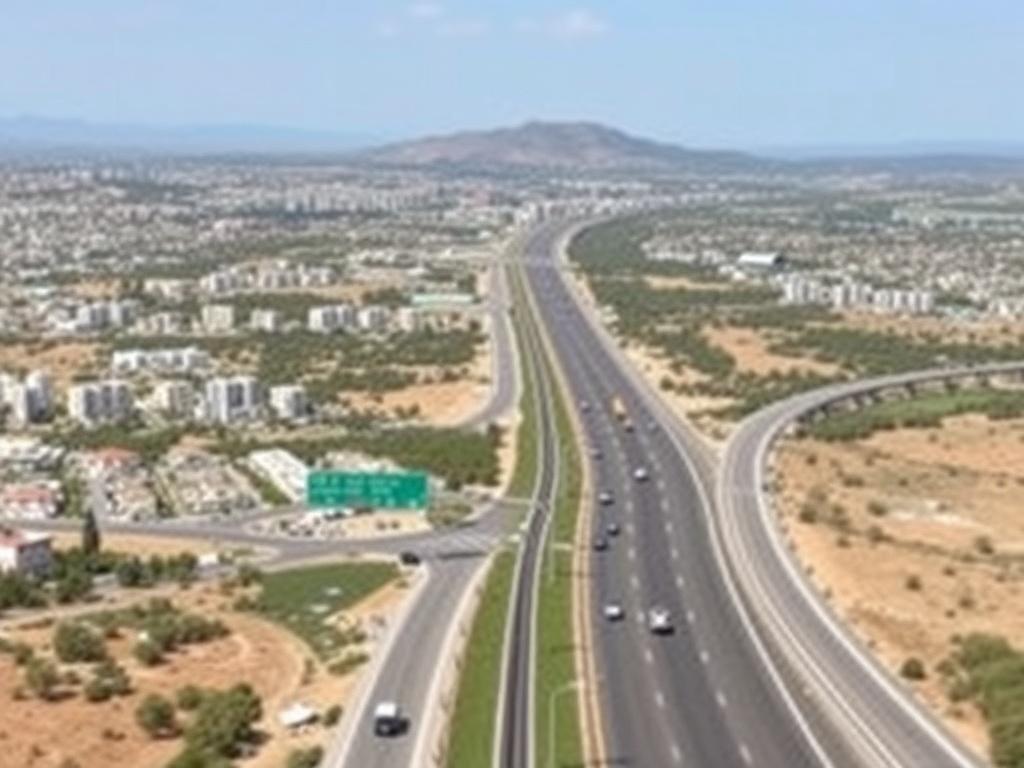
The Limassol Paphos highway, known as the A6, forms a critical artery connecting two of Cyprus’s most significant urban centers. The project to upgrade and expand this highway is a flagship transport initiative aimed at enhancing road safety, reducing travel times, and stimulating regional economic growth. This enhancement is not merely about adding lanes or resurfacing; it involves systematic improvements including the construction of bypasses, interchanges, and service facilities designed to meet future traffic demands.
By improving the route’s capacity, the expansion of the A6 highway facilitates more efficient movement of goods and commuters between Limassol, one of Cyprus’s busiest ports and commercial hubs, and Paphos, a growing tourism and residential center. The ripple effects extend beyond direct users of the highway, as enhanced accessibility increases the attractiveness of suburban areas adjacent to the corridor, where land prices have begun to reflect new growth expectations.
Upgrading the Limassol Paphos highway is not just a transport enhancement; it is a catalyst for regional transformation and a driver of suburban land price growth in Cyprus.
Infrastructure Impact Land Values: A Closer Examination
Infrastructure investments consistently have a profound influence on land values, and the Limassol Paphos highway expansion is a textbook case. The basic economic principle is clear: improved accessibility reduces the friction of distance, making land closer to key infrastructure more valuable. This dynamic is playing out visibly in suburban areas near the A6 corridor, where the infrastructure impact land values are evident.
The relationship between infrastructure and property prices is multifaceted. Improved highways reduce travel times, enable more predictable commutes, and open up new possibilities for residential development. Land that was once peripheral suddenly becomes viable for housing, commercial ventures, or mixed-use projects. As a result, suburban parcels previously undervalued are experiencing price appreciation fueled by real demand.
Beyond mere proximity, the nature of the transport project real estate interplay involves nuanced factors. These include environmental improvements through reduced congestion, enhanced safety features, and public-private partnerships spurring complementary development. The rise in land prices in these suburban zones often signals anticipation of future urban expansion, underscoring the public infrastructure’s role as a confidence booster in real estate markets.
A6 Upgrade Property Prices: Quantifying the Effect
Measuring the A6 upgrade property prices impact requires dissecting market data before and after key milestones of the highway expansion. Real estate analysts have tracked a steady upward trend in land values along the expanded highway’s outskirts, especially in municipal jurisdictions capable of leveraging the improved transport link for strategic planning.
For example, land plots within a 5-kilometer radius of newly constructed interchanges have seen price increases averaging between 15% and 25% over a three-year period, a substantial leap compared to regional averages. This premium reflects the enhanced accessibility and development potential unlocked by the highway upgrade. Residential developments are expanding at a faster rate here, while commercial enterprises seek locations that benefit from increased traffic flow and visibility.
| Location | Pre-Expansion Land Price (€ per m²) | Post-Expansion Land Price (€ per m²) | Percentage Growth |
|---|---|---|---|
| Ypsonas (Near Limassol) | 65 | 85 | 30.77% |
| Geroskipou (Near Paphos) | 55 | 68 | 23.64% |
| Koili Suburb | 40 | 50 | 25.00% |
This quantifiable uplift demonstrates the direct correlation between the A6 upgrade and property prices, validating infrastructure as a potent driver of suburban land price growth Cyprus-wide. Investors and developers keenly observe these patterns when making decisions, often prioritizing areas adjacent to the improved corridors over traditional urban zones.
The data confirms that infrastructure upgrades like the A6 project create tangible uplift in property prices, spotlighting strategic suburban plots as lucrative investment targets.
Suburban Land Price Growth Cyprus: Emerging Trends and Drivers
The phenomenon of suburban land price growth in Cyprus is gaining momentum, and the Limassol Paphos highway expansion acts as a main accelerator. This growth is supported by several interlinked trends related to demographic shifts, economic diversification, and urban sprawl mitigation.
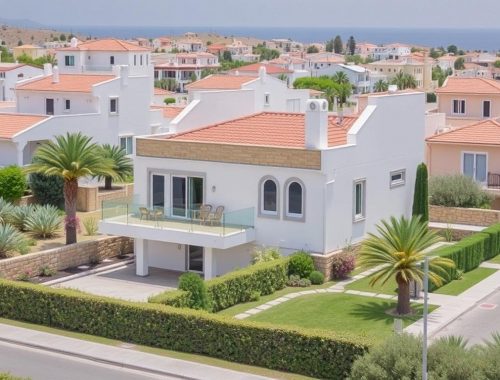
Urban centers such as Limassol and Paphos are experiencing densification challenges. Buyers and developers are increasingly turning to suburban locales that offer space, affordability, and improved access thanks to infrastructure investments. The A6 upgrade effectively broadens the metropolitan footprint, making suburban land more attractive for residential projects, holiday homes, and even commercial estates.
Additionally, improved transport corridors encourage a rebalancing of populations, reducing strain on city infrastructure and promoting more sustainable land use. This movement is facilitated by the highway’s enhanced connectivity, which cuts commuting times and increases suburban living’s appeal. The land price growth in these areas is both a symptom and a driver of this spatial realignment.
However, the growth is not uniform. Areas with proactive local planning, clear zoning policies, and investment in utilities infrastructure tend to exhibit more robust price gains. Conversely, regions without complementary development plans lag behind despite proximity to the highway.
Transport Project Real Estate: Broader Economic and Social Implications
The transport project real estate nexus extends far beyond simple price increases. The Limassol Paphos highway expansion exemplifies how infrastructure shapes the social and economic fabric of regions. Improved transport links enable labor mobility, broaden employment catchments, and stimulate business opportunities. These changes enhance quality of life and can lead to greater economic resilience.
From the perspective of the real estate market, the highway is a signal to stakeholders about future growth corridors. It encourages developers to plan long-term projects and investors to diversify portfolios into suburban and peri-urban land. Property types diversify as well, ranging from single-family homes to apartment complexes and even commercial logistics sites benefiting from improved regional connectivity.
Socially, enhanced transport infrastructure fosters greater inclusivity. Suburban developments fueled by better highways tend to offer more affordable housing alternatives, reducing the socioeconomic disparities often entrenched in urban cores. Yet, with rapid suburban growth comes challenges including increased demand for public services, environmental management concerns, and the need for integrated urban planning to avoid sprawl pitfalls.
The Limassol Paphos highway expansion illustrates how transport projects recast economic landscapes and social structures, redefining both real estate markets and regional development frameworks.
The Road Ahead: Managing Growth and Sustaining Value
Looking forward, the ongoing infrastructure boom around the Limassol Paphos highway demands strategic management to ensure sustainable growth and maintain rising land values. Stakeholders must balance the demand created by the A6 upgrade with plans that protect environmental quality, integrate public services, and support diverse community needs.
Urban planners and policymakers play a critical role here. Zoning regulations, infrastructure capacity enhancement beyond the highway itself (such as water, electricity, and digital connectivity), and incentives for mixed-use developments will determine whether suburban expansions become lasting, vibrant communities or problematic sprawls. Investors and developers also have responsibilities to engage in sustainable practices and align projects with broader regional visions.
Moreover, the transport project real estate intersection must factor in climate resilience. Cyprus’s growing susceptibility to extreme weather events calls for infrastructure and housing developments designed with adaptation and mitigation in mind. This forward view will protect the value of suburban land and ensure the positive impacts of the Limassol Paphos highway expansion endure for decades.
Unlocking New Perspectives: What the Limassol-Paphos Corridor Means for Cyprus’s Future
The Limassol Paphos highway expansion encapsulates a transformative moment in Cyprus’s infrastructural and real estate evolution. Its effects ripple across suburban areas, recalibrating land values and reshaping urban-rural dynamics. As the A6 artery modernizes, the ripple effects in suburban land price growth Cyprus-wide underscore the vital role of infrastructure as a foundation for sustainable development and economic vitality.
Recognizing the nuanced interplay between transport projects and real estate markets equips investors, planners, and communities with tools to navigate change intentionally. The expansion of the Limassol Paphos highway is more than a construction endeavor; it is a shaping force that drives land utilization, investment decisions, and ultimately the quality of life on the island.
For Cyprus, this infrastructure boom is an opportunity to build not just roads, but resilient, connected, and prosperous regions where value grows hand-in-hand with thoughtful development.
Beyond transport, the Limassol Paphos highway expansion symbolizes the power of infrastructure to unlock new horizons in land value and regional prosperity.
Frequently Asked Questions
- How does the Limassol Paphos highway expansion affect residential property prices?
Residential property prices near the expanded highway have increased significantly, often between 15% and 30%, due to improved access, making suburban areas more attractive for homebuyers and developers. - What factors besides the highway expansion influence suburban land price growth in Cyprus?
Factors include local zoning regulations, availability of utilities, economic diversification, demographic trends, and complementary infrastructure such as public services. - Is the increase in land prices uniform along the A6 corridor?
No, areas with proactive planning and investment show stronger growth, while some zones lag despite proximity to the highway. - Can improved transport infrastructure impact social equity in Cyprus?
Yes, better transport links can promote inclusivity by providing affordable housing options in suburban areas and expanding employment catchments. - What challenges come with rapid suburban growth prompted by infrastructure projects?
Challenges include managing urban sprawl, ensuring environmental sustainability, and providing adequate public services to growing communities. - How should investors approach land near the Limassol Paphos highway expansion?
Investors should assess infrastructure connectivity, local development plans, environmental factors, and long-term growth potential to make informed decisions. - What role do policymakers have in sustaining value after the highway upgrade?
Policymakers must implement strategic zoning, balance growth with environmental protection, and invest in supporting infrastructure to maintain land value gains sustainably.