Cyprus Property Investment for Russians: Current Regulations and Opportunities
The interplay between politics, economics and personal preference has made Cyprus a persistent focal point for Russian investors seeking property abroad. Over the last two decades Cyprus has developed legal and fiscal frameworks that attract foreign capital while protecting local interests; understanding those frameworks is essential for any Russian considering a purchase. This article unpacks the practical steps, regulatory constraints, taxation, financing and regional opportunities relevant to Russian buyers, and it does so with technical clarity and practical examples.
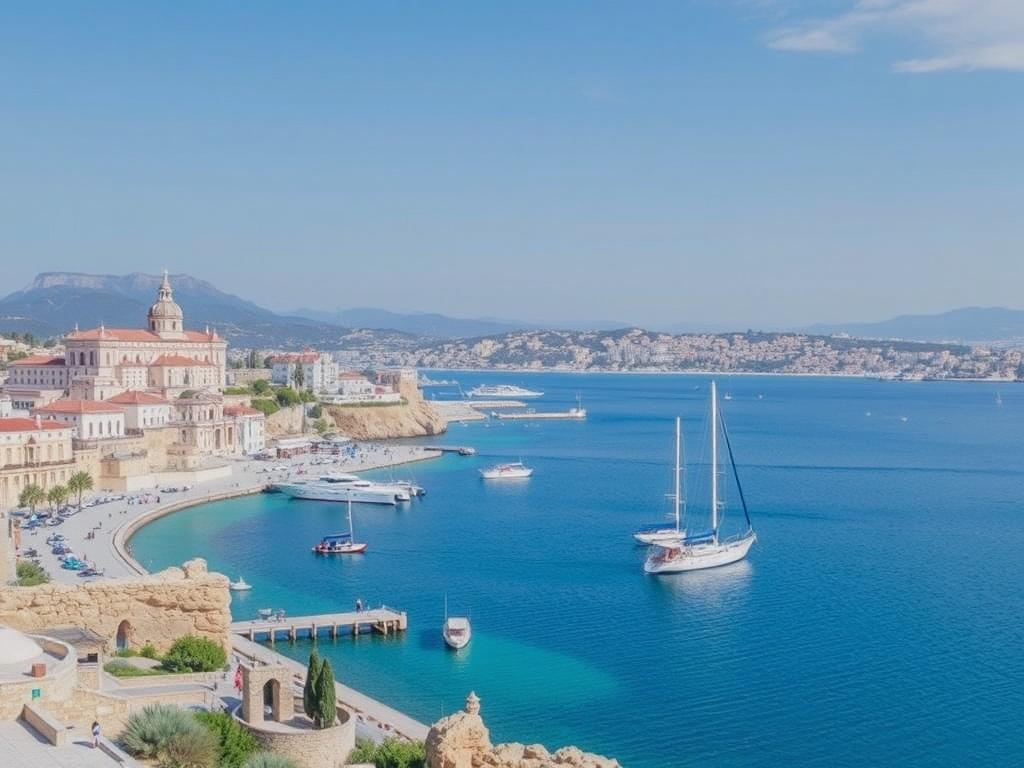
Many prospective buyers begin by looking at coastal and resort markets, and listings often shape initial expectations. For a concrete starting point, consider how local inventory varies across districts by examining an example search for property for sale in Paphos region, which illustrates typical stock, price ranges and development types.
Cyprus combines Mediterranean lifestyle appeal with investor-friendly law, but the details of acquiring and holding property matter more than headline returns.
This introduction sets a roadmap: first we will review macro conditions and buyer profiles, then move into the legal and administrative steps, followed by taxes, financing, regional comparisons, risk factors and best-practice due diligence. The goal is to equip a buyer or adviser with the context and procedural knowledge necessary to proceed deliberately, not impulsively.
Market overview and buyer profile
Cyprus real estate has been attractive to high-net-worth and middle-class foreign buyers alike. The market is driven by tourism demand, second residency programmes, and long-term rental potential. For Russian buyers, cultural affinity, geographic proximity and existing community networks have historically encouraged interest in Cyprus. Broadly speaking, Russian investors have sought a mixture of holiday homes, buy-to-let investments and permanent relocations.
In practical terms, understanding the market requires assessing liquidity, price trends, supply pipeline and regulatory clarity. After the global financial stress of the early 2010s, Cyprus implemented reforms that stabilized the sector, albeit with increased scrutiny on foreign transactions. Today, the market shows segmented growth: luxury coastal apartments and villas in Limassol and Paphos command premiums, while inland family properties and new developments offer different yield profiles.
The profile of property buyers Russia reflects a diverse set of motivations: lifestyle, wealth diversification, tax planning, education and safe-haven capital allocation. These motivations influence what types of properties are chosen and how transactions are structured. Russian property Cyprus transactions range from small holiday flats to multimillion-euro developments aimed at buyers seeking both residence and investment returns.
Russian investors often combine lifestyle needs with financial goals—understanding the buyer profile is crucial to structuring the purchase and holding strategy.
Legal and regulatory framework affecting purchasers
The legal framework in Cyprus distinguishes between EU and non-EU nationals, sets limits on agricultural land purchases, and requires registration of property titles with the Department of Lands and Surveys. Russian citizens typically fall under non-EU provisions unless they also hold EU citizenship. Non-EU nationals can acquire most types of residential property subject to specific approvals and sometimes quota limitations for undeveloped land.
Key legal elements include title searches, issuance of building permits for development projects, and the need to register any transfer of ownership. Lawyers play a central role: they conduct title due diligence, lodge applications for permissions, prepare the sale contract and represent the buyer during signing and registration. In transactions involving leaseholds or co-ownership, contractual clarity is critical to avoid long-term disputes.
Another layer involves anti-money laundering (AML) and Know Your Customer (KYC) checks. Financial institutions, law firms and real estate agencies must verify funds and client identities, particularly where large transfers are involved. This has implications for the speed and manner of payments as well as the documentation required to support cross-border capital movements.
Legal safeguards and accurate title chain verification are non-negotiable—errors at this stage cannot be fixed easily after registration.
Approvals, quotas and agricultural land
Purchasing agricultural or undeveloped land in Cyprus requires additional approvals. Local authorities and, in some cases, the Council of Ministers must clear transfers of certain land categories to non-EU nationals. The practical consequence is that if a Russian buyer seeks to buy a plot for construction outside a declared settlement zone, the process is lengthier and contingent upon administrative permissions.
Because of quota considerations for non-EU buyers, developers and intermediaries typically channel foreign investors into planned developments where permissions are already in place. This approach reduces processing time and legal friction but often increases acquisition costs compared with buying an independent plot with development potential.
Step-by-step purchase process and transaction mechanics
Purchasing property in Cyprus follows an established sequence: initial offer and reservation, due diligence and preliminary contract, exchange of deposit and final contract, transfer of title and registration. Each of these stages involves formal documentation, legal counsel and often escrow or bank guarantees to secure payments. For Russian buyers unfamiliar with Cypriot practices, engaging local legal counsel early reduces misunderstandings and ensures compliance with statutory timelines.
The preliminary contract (reservation agreement) typically binds both parties by outlining property details, price, deposit and a timeline for the completion of checks and final contract execution. Once a sale contract is signed and the transfer fee is paid, the seller or their lawyer will lodge the transfer with the Land Registry for formal registration. Until registration is complete, the purchaser’s rights are protected contractually but not yet fully absolute.
A systematic, stepwise transaction strategy reduces legal exposure and speeds closing: reservations, rigorous due diligence and clear escrow arrangements are essential.
Below is a focused checklist of practical steps for a buyer to follow; use it as an operational roadmap rather than exhaustive legal advice.
- Engage a licensed local lawyer to run a title search and confirm encumbrances.
- Obtain an initial reservation agreement and pay a holding deposit.
- Complete technical and planning due diligence, including building permit checks.
- Secure financing or confirm cleared funds for payment and transfer taxes.
- Sign the final contract, pay the balance, and lodge the transfer for registration.
Typical timeline and costs
Transaction timelines vary with complexity: a standard resale with clean title can be completed in 8–12 weeks if funds and paperwork are in order. Purchases involving government approvals, agricultural land, or complex developments can take several months. Buyers should budget for additional costs: legal fees, transfer fees, stamp duty, VAT in some new builds, realtor commissions and any municipal or utility connection fees.
Understanding these timings is important for cash flow planning. Russian buyers transferring capital across borders should coordinate with banks early to allow for currency controls, foreign exchange windows and AML documentation to be processed without delaying contract deadlines.
Taxes, holding costs and residency implications
Taxation shapes the net returns of owning Cyprus property. For Russian buyers the principal charges are transfer fees on purchase, annual immovable property tax where applicable, municipal rates, and potential income tax on rental proceeds. Cyprus has a straightforward tax regime for individuals, including exemptions and deductions that should be reviewed with a local tax adviser to optimise after-tax returns.
If the property is a new build, VAT (currently applicable at the statutory rate where relevant) may be charged unless a reduced or zero-rate scheme applies; older resale properties are generally exempt from VAT but subject to transfer fees. Rental income must be declared to Cypriot tax authorities; allowable deductions reduce taxable income but require documentation and proper accounting records.
Taxes and residency outcomes influence whether an investment functions primarily as lifestyle expenditure or income-producing capital; structured planning changes the financial result materially.
Residency must be considered separately. Owning property alone does not automatically grant permanent residence, though certain investment thresholds and residency-by-investment schemes have existed. Russian nationals considering relocation should evaluate current residence permit pathways and the interaction with taxation of worldwide income, which can affect long-term cost-benefit calculations.
Table: Common transactional costs (indicative)
The table below gives a concise estimate of typical transactional charges; percentages and fixed fees are indicative and can change with law and regulation. Consult current official schedules and a tax adviser for exact figures.
| Item | Typical Charge | Notes |
|---|---|---|
| Transfer Tax | 0.15%–8% sliding scale | Often phased or capped; depends on property value and exemptions |
| Stamp Duty | 0.15%–0.2% | Based on contract value |
| Legal Fees | 0.5%–1.5% typical | Depends on transaction complexity |
| Notary/Register Fees | Variable | Administration and registration charges |
| VAT on New Builds | Applies where relevant | Check developer’s VAT status |
Financing, mortgages and banking for Russian buyers
Securing a mortgage in Cyprus as a Russian buyer is feasible but subject to stricter underwriting since the global financial crisis and enhanced AML frameworks. Local banks typically request proof of income, consolidated financial statements for high-value loans, detailed KYC information and in many cases a larger down payment for non-EU nationals—often 30–40% or higher depending on risk assessment and property type.
Foreign banks and lenders offering cross-border mortgages sometimes provide alternatives, but these require careful structuring to manage currency exposure and legal jurisdiction issues. An important practical step is pre-approval: obtain written confirmation of lending terms to demonstrate seriousness to sellers and to define achievable price bands.
Mortgage terms for non-EU buyers are conservative; larger deposits and clear documentation accelerate loan approval and reduce friction.
Banking relationships extend beyond mortgages. Russian buyers should set up a Cypriot bank account for deposits, utilities and tax payments; banks will require source-of-funds documentation for large transfers. Currency risk is another factor—if income or asset base remains in roubles, currency volatility can affect debt servicing and returns.
Risk management for financed purchases
Hedging strategies and fixed-rate mortgage options reduce volatility exposure. Where rental income will partly service financing, perform realistic stress-testing of cash flows: vacancy periods, maintenance costs, and service charges can meaningfully change net yield. For investors who retain Russian-sourced income, consult advisors on currency transfer rules and optimized repatriation strategies.
Investment opportunities and risk assessment for Russians
Identifying worthwhile investment opportunities requires aligning investor objectives—capital appreciation, rental yield, or residency—with market dynamics. For Russian investors, several opportunities stand out: luxury coastal developments in Limassol and Paphos targeting holiday rentals and high-net-worth residents; mixed-use developments near airports for short-stay rental demand; and residential conversions in urban centres that appeal to both tourists and local professionals.
However, risks must be assessed objectively. Market concentration in particular segments can compress yields when supply expands; legislation affecting foreigners can change with political cycles; and macroeconomic shocks—affecting either Cyprus or Russia—can influence demand. Geopolitical volatility that affects capital flows or introduces sanctions could complicate transactions or ownership. Proper risk allocation, use of local partners and conservative leverage are prudent strategies.
Opportunities exist across segments, but sustainable returns require rigorous risk assessment and alignment of leverage with realistic cash flows.
Investment opportunities Russians often pursue vary by capital intensity and desired time horizon. Short-term holiday rentals demand active management and marketing. Long-term buy-and-hold strategies rely on local economic growth, improving infrastructure and legal stability. Finding the balance between yield and liquidity is the investor’s central task.
Regional guide: where to buy and why
Cyprus is geographically compact but regionally diverse. Each district presents a different combination of price, demand drivers and regulatory nuance. Understanding regional distinctions allows investors to match property type with market demand and regulatory conditions. Below we outline principal districts and the kinds of investment they typically support.
Region selection is a function of intended use: holiday rental, permanent residence, or speculative capital appreciation. The coastal cities typically attract tourism-driven demand and premium prices; inland areas offer affordability and potential for development if rezoning occurs. Proximity to airports, universities and medical facilities is often decisive for longer-term rental markets.
Limassol
Limassol is a commercial and tourism hub with strong demand for luxury apartments and seafront villas. The city attracts international business, shipping and high-net-worth buyers, contributing to a resilient high-end market. For Russian buyers seeking premium assets, Limassol’s combination of services and lifestyle is attractive, though prices reflect that demand.
Infrastructure investments and international schools make Limassol appropriate for longer-term relocation plans. Expect higher entry prices but also robust rental demand from expatriates and corporate relocations.
Paphos
Paphos has a balanced appeal: established expatriate communities, a diversified tourism base and relatively lower entry prices than Limassol. Developers often target holiday rental units and family villas. For those seeking property with a combination of lifestyle and rental prospects, Paphos is a pragmatic choice.
Because Paphos contains many mature developments and residential communities tailored to foreign buyers, it often presents predictable management and occupancy patterns. The region’s mix of old town character and modern resorts broadens appeal across demographics.
Larnaca and Famagusta (Ayia Napa)
Larnaca is often chosen for affordability combined with growing tourism infrastructure; its airport connections encourage short-stay rentals. Ayia Napa and the Famagusta district are more tourism-driven with seasonal peaks and therefore higher yield potential in summer months but more pronounced seasonality risk.
Investors seeking active holiday rentals should evaluate occupancy seasonality, marketing costs and potential regulatory constraints on short-term letting within different municipalities.
Nicosia and inland areas
Nicosia, as the administrative capital, supports stable residential demand from government employees, professionals and students. Inland properties are typically less expensive and can offer development upside if rezoning and planning permissions are obtainable. For price-sensitive buyers, these areas provide diversified opportunities away from coastal competition.
Long-term appreciation in inland areas depends on economic growth, infrastructure investments and municipal planning—factors that require continuous monitoring.
Due diligence and practical safeguards
Effective due diligence is a combination of legal title checks, physical inspections, planning compliance confirmation and financial vetting. For Russian buyers, extra attention to source-of-funds documentation and transaction transparency is necessary because of global AML requirements. A layered due diligence approach—legal, technical and financial—reduces the chance of unpleasant surprises after purchase.
Key checks include verifying the seller’s title and identity, confirming building permits and planning permissions, ensuring there are no outstanding mortgages or liens, and inspecting the property for structural defects or unapproved alterations. For new developments, validate the developer’s track record, escrow arrangements for buyer deposits and the specifics of warranties and completion guarantees.
Rigorous, multidisciplinary due diligence prevents disputes that are costly and time consuming to resolve in foreign jurisdictions.
Engage licensed professionals: lawyers for title and contractual matters; chartered surveyors for building condition and valuations; and tax advisers for cross-border fiscal optimisation. Use escrow solutions or reputable legal escrow arrangements for deposit management rather than informal transfers.
Checklist for legal and technical due diligence
- Title search and encumbrance report from the Land Registry.
- Confirmation of planning permission and valid building permits.
- Verification of utilities connections and service charges.
- Inspection report by an independent qualified surveyor.
- Review of contracts for maintenance, property management, or rental guarantees.
Practicalities for Russians: movement of funds, documentation and timing
Transferring purchase funds from Russia to Cyprus requires thorough planning. Banks on both sides will apply AML checks and may require supporting documentation proving the legitimate origin of funds. Large transfers should be accompanied by sale of assets invoices, loan agreements or other documentation evidencing lawful acquisition of funds. Plan for intermediary banks, potential delays and exchange-rate considerations.
Documentation typically includes notarised identity documents, proof of address, source-of-funds evidence, corporate incorporation documents where purchases are made through entities, and tax residency certificates if applicable. Organising these documents in advance shortens transaction timelines and reduces the likelihood of contract breach due to late payments.
Plan capital transfers early and compile full source-of-funds documentation to avoid transaction delays that can jeopardise the sale.
Timing considerations also include aligning property inspections, lawyer availability and bank working days across jurisdictions. Realistic scheduling anticipates two to four weeks of administrative processing for most documentation and longer if approvals for agricultural land or rezoning are required.
Ethical, compliance and geopolitical considerations
Geopolitical developments and international sanctions regimes can affect transactional risk. Russian investors and their advisers must monitor applicable sanctions and regulated person lists that could restrict financial services or property transactions. Local professionals in Cyprus are generally well-versed in compliance obligations and will advise on whether a purchaser or source of funds raises restrictions or reporting obligations.
Practical mitigation involves transparent documentation, using established banking channels, and relying on accredited professional firms for escrow and legal services. Attempting to circumvent compliance checks or using opaque structures increases the risk of transaction blocking or asset freezes, and may have long-term legal consequences.
Transparency and compliance are as much strategic necessities as legal obligations—skipping them is short-term thinking with potentially severe consequences.
What This Means For Your Next Move
For Russian investors evaluating Cyprus, the balance is clear: the island offers attractive lifestyle and investment prospects but requires methodical planning and competent local advice. Decisions should start with clarifying objectives—short-term yield, long-term appreciation, or residency—then proceed to market selection, legal structuring and financing. Each decision point changes the optimal property type and location.
Successful investments begin with conservative assumptions about vacancy, maintenance and legal timelines. Buyers should avoid the temptation to jump into opportunities solely based on advertised yields or showroom appeal. Instead, insist on hard data: documented occupancy rates for comparable units, clear title, and a defensible exit strategy should market conditions change.
Working with experienced local professionals—lawyers, tax advisers, banks and reputable agents—reduces execution risk. For Russian property Cyprus engagements, prioritise transparency of funds, compliance documentation, and a legal structure that aligns with your residency and tax objectives. With those elements in place, Cyprus remains a viable destination for diversification and lifestyle investment.
A disciplined, objective approach that connects goals to local realities turns promising listings into sustainable investments.
Further reading and next steps
Moving from consideration to action involves targeted steps: commission a market appraisal for the area you prefer; obtain legal pre-checks on specific properties; secure financing terms; and plan the capital transfer timeline with your bank. Start with conservative financial modelling that includes all transaction costs and a realistic occupancy or resale scenario. If you plan to manage rentals from abroad, review property management options and fees in advance.
Finally, keep a rolling checklist and timeline so each participant—lawyer, bank, agent, surveyor—has clear deliverables. The more disciplined the process, the fewer surprises at closing. Cyprus offers real opportunities for Russian investors who take a methodical, compliant and informed approach.
1. What legal approvals do Russian citizens typically need to buy property in Cyprus? Answer: Russian citizens (as non-EU nationals) generally need standard property transfer approvals, plus specific consents for acquiring agricultural or undeveloped land; your lawyer will check Land Registry entries and secure any special permissions required for non-EU purchasers. 2. Can Russian buyers obtain a mortgage in Cyprus and what deposit is usually required? Answer: Yes, Russian buyers can obtain mortgages in Cyprus, but banks commonly require larger deposits for non-EU nationals—often 30–40% or more—along with full KYC documentation and proof of income or assets. 3. Does buying property in Cyprus automatically grant residency to a Russian national? Answer: No, ownership alone does not automatically provide permanent residency; Cyprus has specific residence permit schemes with thresholds and criteria, so check current immigration rules and plan residency applications separately. 4. What taxes should a Russian property owner expect to pay in Cyprus? Answer: Expect transfer taxes on purchase, stamp duty, possible VAT on new builds, municipal/maintenance fees, and income tax on rental income; exact liabilities depend on property type, transaction structure and eligibility for exemptions. 5. How long does the typical transaction take from reservation to registration? Answer: A clean resale transaction often completes in 8–12 weeks; transactions requiring government approvals, transfers of agricultural land or complex developments can take several months. 6. What due diligence steps are most critical before completing a purchase? Answer: The most critical steps are a Land Registry title search, verification of planning and building permits, an independent technical survey, and confirmation of the seller’s authority and absence of liens or encumbrances. 7. How should Russian buyers handle the transfer of funds to avoid delays? Answer: Prepare comprehensive source-of-funds documentation, coordinate with your bank early to schedule transfers, use transparent banking channels and consider staged transfers through escrow to satisfy AML checks and avoid contract breaches.