Holiday Rental Regulations in Cyprus: What Property Owners Must Know
Cyprus is a popular destination for tourists seeking Mediterranean sun, culture, and convenience, which drives strong demand for short-term accommodation. For property owners the financial opportunity is clear, but the regulatory landscape is detailed and evolving; understanding the rules is essential for legal operation and long-term profitability. This article unpacks the framework you will encounter when operating Cyprus holiday rentals, from licensing to taxation, platform obligations, and practical management steps that minimize risk.
Before you commit capital or advertise publicly, research local market dynamics and legal obligations in your target area — and if you are considering purchase or conversion of a property to serve tourists, explore options such as Larnaca real estate for sale to see what building types and locations are available in a high-demand coastal market. That preliminary market work shapes choices that affect licensing, zoning, and guest appeal.
Regulatory compliance begins with understanding where your property stands in criminal and planning law — location determines whether you can even apply for permission to operate as a short-term rental.
How the legal framework for Cyprus holiday rentals is structured
The regulation of tourist accommodation in Cyprus is not a single statute but a layered framework combining national tourism statutes, municipal bylaws, town planning legislation, and sector-specific rules that cover facilities, safety, and tax treatment. Different ministries and authorities have jurisdiction over different dimensions: tourist classification and licensing typically involves the Department of Tourism; building safety and planning are administered by the Town Planning and Housing Authority or local municipalities; financial obligations are governed by the Tax Department. Owners must therefore navigate multiple administrative interfaces.
Conceptually, the laws distinguish between established categories of tourist accommodation — hotels, serviced apartments, and formally licensed apartments or villas offered to tourists — and private residential use. “Short term rental laws” in Cyprus focus on ensuring that any property open to paying tourists meets health, safety, and classification criteria, while also ensuring fiscal transparency. The practical implication is that treating a dwelling as a commercial accommodation unit triggers licensing and possibly different tax treatment compared with long-term residential letting.
Treat the regulatory regime as modular: planning and zoning rules govern whether you can operate; licensing covers operational standards; tax rules govern income and indirect taxes.
Tourist accommodation rules and the types of licenses you may need
Owners must determine which category of tourist accommodation their property falls into before applying for permission to operate. Tourist accommodation rules set out minimum standards for room sizes, fire safety, sanitation, and accessibility; they also define what services elevate a property into a higher regulatory tier (for example, food service, reception staff, or daily housekeeping). The central administrative vehicle is the issuance of a vacation rental license Cyprus owners often need to obtain when offering short-term stays to paying guests.
Licensing can be understood across three axes: classification (type and star rating where applicable), technical compliance (safety, utilities, and building code), and operational registration (the formal registration number you must display in listings and marketing). The Department of Tourism and municipal authorities will specify documentation, inspections, and fees that accompany each axis.
| License/Registration Type | Typical Use Case | Primary Requirement |
|---|---|---|
| Vacation rental / self-catering tourist accommodation | Single villas, apartments rented short-term without full hotel services | Registration with Tourism Department, compliance with safety and sanitary rules |
| Classified tourist accommodation (hotels, guesthouses) | Properties offering reception, daily housekeeping, catering services | Full classification process, regular inspections, higher infrastructure standards |
| Short-term rental notification | Occasional renting of a private residence | Local notification/registration and tax declaration; depends on municipality |
Obtain the correct tourist classification before marketing; incorrect categorization can lead to fines and delisting from platforms.
Step-by-step: obtaining a vacation rental license Cyprus owners rely on
Applying for a vacation rental license follows a defined process that tests property suitability, owner credentials, and compliance with technical standards. The sequence and exact documents vary by municipality and by whether the property is in a tourism zone or a residential area.
- Pre-application check: Confirm zoning and permitted use with the local municipality or planning authority.
- Technical documentation: Submit floor plans, electrical and plumbing certificates, and fire-safety documentation prepared by licensed professionals.
- Health and safety certifications: Obtain sanitation clearance and any required accessibility or lift certificates.
- Formal application: Complete the tourism department form, attach documents, and pay administrative fees.
- Inspection: Expect at least one on-site inspection to verify compliance.
- Registration number: If successful you will receive a registration or license number that must be displayed in advertisements and booking platforms.
Document checklists commonly include proof of ownership or legal right to let the property, identification documents, certificate of compliance with the building inspectorate, and evidence that utility connections meet regulatory standards. Owners converting older properties should budget time for upgrades to meet current codes.
Applications that lack professional technical reports or clear proof of ownership are the most frequently delayed or rejected submissions.
Short term rental laws: zoning, building rules and municipal controls
Short term rental laws intersect tightly with zoning and building regulations. A dwelling in a strictly residential zone may face prohibitions or additional conditions to operate legally as tourist accommodation; conversely, properties in designated tourism zones may encounter more lenient commercial conditions but higher expectations for infrastructure and services. Owners must consult local development plans and municipal bylaws to check allowable use and any seasonal restrictions that apply in coastal resort areas.
Building rules require adherence to safety standards that apply to all lodging: appropriate exits and fire detection systems, safe electrical installations, structural soundness, and proper sanitation. Many municipalities require that a property serving tourists has a separate deposit or contractual arrangement that complies with consumer protection laws and local housing ordinances.
Zoning is often the determinative issue — resolve allowable use before investing in upgrades or marketing campaigns.
Rental property licensing: technical compliance and safety expectations
Rental property licensing focuses on measurable technical standards. Authorities expect documentation issued by certified professionals: electrical inspection certificates, gas safety checks where relevant, emergency lighting in multi-unit buildings, and verified water supply and sewage connections. If the property is a multi-unit block, there may be shared obligations on the building management to certify common elements such as staircases and lifts.
Fire safety is an area of particular scrutiny. Even self-catering units are expected to have functioning smoke detectors, clear escape routes, and in some cases, fire extinguishers and emergency signage. Where a pool or other amenities are provided, inspection and fencing rules apply. Owners must also ensure that the property complies with accessibility regulations whenever a public accommodation classification triggers those obligations.
Technical certificates prepared by licensed engineers and electricians are non-negotiable; they form the basis for inspection clearance and the issuance of a registration number.
Required documentation for rental property licensing
Authorities will typically request the following documents during the licensing or registration process:
- Proof of ownership or a valid lease with consent to sublet for tourist accommodation;
- Title deeds and recent utility bills confirming address;
- Technical compliance reports (electrical, gas, structural);
- Fire safety assessment and evacuation plan where applicable;
- Sanitary and waste disposal confirmation;
- Insurance certificates for public liability and property risks;
- Identification documents of the owner and responsible manager.
Gathering these papers in advance speeds processing and reduces the risk of additional inspection rounds. If you are uncertain about a requirement, request a pre-application meeting with municipal officers — their guidance can narrow the scope of necessary works and approvals.
Start compiling technical certificates early; scheduling engineers and inspectors can take weeks during peak season.
Taxation, VAT, and financial reporting for Cyprus holiday rentals
Taxation is integral to operating holiday accommodation legally and profitably. Rental income must be declared to the Tax Department and is subject to income tax rules that apply to individuals, partnerships, or corporate entities. Accounting for deductible expenses, depreciation where allowable, and retaining clear records of bookings and receivables will determine net taxable profit. Owners operating through a corporate vehicle must consider corporate tax rules and dividend treatment.
On indirect taxation, whether VAT applies depends on the nature of the service provided. Purely passive letting of a residential unit is treated differently from providing hotel-style services. If you or your agent provide regular reception, daily cleaning, meals, or other hospitality services, VAT or a special tourism VAT treatment may apply. The threshold for VAT registration and the applicable rates are technical matters that change; consult a tax adviser or the Tax Department for current thresholds and classifications.
Classify the service you provide accurately: the presence or absence of hospitality services can change VAT and other tax obligations.
Insurance, liabilities and consumer protection duties
Insurance protects owners against property damage, guest injury claims, and loss of income. Policies tailored to holiday rentals differ from standard landlord insurance; they should cover short-term occupancy risks, third-party liability from guests and visitors, and possible cancellation or interruption exposures. Many policies require that the owner has met regulatory and safety standards; an unlicensed property may invalidate coverage.
Consumer protection duties include transparent booking terms, cancellation policies that comply with law, accurate descriptions and photos, and proper handling of deposits. If you collect a security deposit, keep documentation of releases and deductions; improper handling of guest funds or misleading advertising can prompt enforcement actions and reputational damage that reduce repeat business.
Confirm that your insurer recognises and covers short-term rental activity — failing to declare commercial use can void claims.
Monitoring, enforcement and penalties under Airbnb regulations Cyprus and broader regimes
Enforcement is carried out by multiple authorities: municipal inspectors, the Department of Tourism, and tax auditors. Penalties for operating without required permission or for breaching safety standards can include fines, closure orders, and the removal of listings from official tourist directories. Repeated or serious violations may attract criminal prosecution. Importantly, administrative fines often escalate for repeat offences and may be coupled with remedial orders to bring the property into compliance within a fixed period.
As part of emerging oversight, online platform rules such as Airbnb regulations Cyprus increasingly require hosts to include registration numbers in listings. Platforms may systematically delist properties that do not present valid registration numbers or that are flagged by local authorities. This creates a practical enforcement tool: compliance is not merely about avoiding fines; it is about ensuring your listing remains visible to guests.
Non-compliance can yield both municipal fines and removal from high-volume booking platforms — a double commercial hit that owners must avoid.
How municipalities detect non-compliant properties
Detection methods include proactive inspections, public complaints, cross-checking tax filings with platform revenue reports, and platform-to-government data sharing where legal frameworks exist. Municipalities may also use local enforcement teams to inspect suspected properties, especially in areas known for seasonal influxes. Owners should assume there is an enforcement mechanism in place and that operating off-record is a high-risk strategy.
Complying early and documenting remedial steps if you receive a notice will reduce penalties and may preserve your ability to operate while resolving deficiencies.
Platforms, marketplaces and the specifics of Airbnb regulations Cyprus
Online marketplaces are essential sales channels for short-term accommodation, but they also carry obligations. Over recent years platforms have been asked in many jurisdictions to collect and share registration numbers and to ensure listings display license information. Airbnb regulations Cyprus reflect that global trend: hosts are expected to display their tourism registration number and adhere to national consumer rules and tax laws when listing.
Operationally, platforms often offer built-in tax handling or collection of occupancy taxes in jurisdictions where automated collection arrangements exist. Even when platforms do not collect tax, keeping precise booking records is critical because tax auditors can reconstruct revenue streams from platform transaction records and bank statements. In many cases, platforms themselves have compliance teams that will delist properties if users report issues or if authorities present evidence of non-compliance.
Listing without the appropriate registration number risks delisting and potential fines; include your registration details in all public listings from day one.
Best practices for using platforms without regulatory friction
Integrate a compliant process into your booking workflow: always include the license number in the listing, present clear house rules, and maintain transparent pricing that includes any mandatory local taxes. Use professional property management software that centralizes reservations, invoices, and guest communications so you can produce records during an audit. Where possible, negotiate platform payment terms that leave a clear audit trail of revenues and fees.
If you operate multiple properties, consider a centralized management entity to streamline registration, tax filings, and compliance across units. That reduces duplication and ensures consistent application of safety procedures and guest policies.
Practical management: day-to-day obligations for owners of Cyprus holiday rentals
Running a legal and profitable holiday rental is an operations task as much as a compliance task. Day-to-day obligations include maintaining safety equipment, ensuring cleanliness standards meet declarations in the listing, timely handling of guest complaints, and keeping up-to-date guest registers where legally required. Regular maintenance prevents larger failures that could trigger enforcement action and helps sustain positive reviews that drive occupancy.
Record-keeping is not optional. Maintain digital records of bookings, invoices, technical maintenance, and guest communications for a minimum period recommended by tax law; this varies but is commonly several years. These archives form the basis of tax returns and defense in case of inspections or disputes.
Operational excellence reduces regulatory risk; poor maintenance and patchy records invite scrutiny and complaints.
Preparing the property: safety upgrades, accessibility and guest comfort
Upgrading a property for short-term rental often means enhancing safety, comfort, and the guest experience within the constraints of the licensing requirements. Typical upgrades include improved locks, secure guest information folders, smoke and CO detectors, and reliable hot water and heating controls. Consider adding features that improve ratings and justify higher rates: professional linen, soundproofing where relevant, and clear signage for emergency procedures.
Accessibility improvements expand your market and may be required for higher classifications. Even if not mandated, small investments such as a ramp or a bedroom on the ground floor can attract a wider demographic without excessive capital expenditure. The aim is to match guest expectations with your advertised standards — misalignment leads to disputes and refunds, which can erode revenue and attract attention from regulators.
Case study: converting a family villa into licensed tourist accommodation
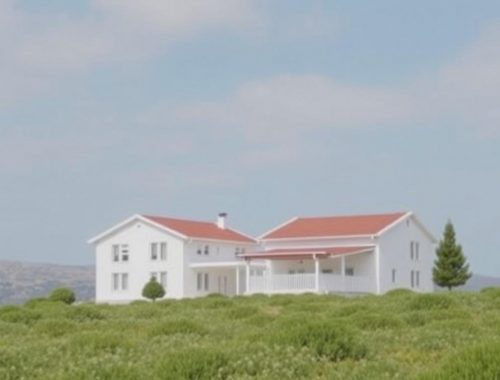
Consider a mid-sized family villa in a coastal district that a new owner wishes to convert into a short-term rental. The first step is a zoning check with the municipality to confirm that tourist use is permitted. If permitted, the owner commissions a full technical audit from certified engineers to identify electrical upgrades, fire-safety additions, and sanitation improvements required to meet tourist accommodation rules. Budgeting includes one-off upgrade costs and recurring compliance costs such as inspections and municipal fees.
After technical compliance is achieved, the owner assembles the application package for a vacation rental license Cyprus processing office. The municipal inspection follows; if minor issues are found the authority will typically issue a conditional approval to be satisfied within a set timeframe. Once registered, the owner obtains a registration number and updates all online listings and promotional materials to include this identifier. Before listing live, the owner arranges for appropriate insurance that specifically covers short-term holiday letting.
A disciplined conversion process — audit, upgrade, apply, inspect — shortens time-to-market and reduces the chance of unexpected enforcement action.
Common violations and what inspectors look for during checks
Inspectors focus on predictable risks: lack of a displayed registration number in public listings, absent or expired technical certificates, non-compliant electrical or gas installations, inadequate fire-safety measures, and deficient sanitation or water-supply systems. Other frequent violations involve occupancy beyond permitted capacity, improper waste disposal, and commercial activity in a property that lacks the correct use permits. Remedies typically include notices to rectify within a narrow timeframe and follow-up inspections. In severe or repeated cases, authorities will impose fines or close the operation.
To reduce the risk of infringements, maintain a compliance checklist that matches your property’s license conditions and perform regular self-inspections. Engage a local compliance consultant for periodic reviews if you lack in-house expertise; small investments in preventative compliance generally cost far less than fines and business disruption.
Expired certificates and absent registration numbers are the twin triggers for most enforcement actions; keep them current and visible.
Pricing strategy, market positioning and managing seasonality
Pricing is both a commercial and a compliance consideration. Transparent pricing that incorporates any mandatory local charges avoids disputes with guests and reduces refund requests. Market positioning determines whether your property competes on price, unique character, or full-service hospitality; understanding this helps align investment in facilities with expected revenue. Seasonality in Cyprus is pronounced — coastal zones experience peak summer demand while inland and heritage areas may see steady but lower-volume traffic. Prepare for off-season maintenance and marketing strategies that sustain bookings year-round.
Dynamic pricing tools can increase yield but must be used with accurate cost models that account for taxes, platform fees, cleaning costs, and periodic compliance expenses. Price too low and you may be unprofitable after compliance costs; price too high and occupancy — and thereby tax compliance records — may be weak.
Scaling operations and using professional management
Owners with multiple units or who aim to scale should weigh the benefits of professional property management. Managers handle guest-facing operations, regulatory filings, routine maintenance, and tax recording; they also provide a buffer against municipal disputes by centralizing communication with authorities. Contracts with management companies should clearly allocate responsibilities for compliance, insurance maintenance, and timely renewal of technical certificates to avoid gaps that could result in liabilities for the owner.
When outsourcing, ensure your manager provides monthly financial reporting, a digital archive of guest transactions, and a compliance calendar that lists inspection and renewal deadlines. That transparency is essential for tax filings and for ensuring that you can demonstrate diligence in your legal responsibilities.
Scale responsibly: institutionalize compliance processes before multiplying units to avoid exponential regulatory exposure.
When to seek professional legal or tax advice
There are several triggers for professional advice: complex planning questions about changing a property’s use class; significant renovation or conversion projects; ambiguous VAT treatment because of hybrid service offerings; cross-border ownership structures; and disputes with authorities. A lawyer with local experience in property and tourism law helps interpret municipal bylaws, while a tax accountant ensures tax-efficient structuring and correct returns. Seek specialist advice early in the project cycle to avoid having to reverse or rework non-compliant decisions.
Professional advice also helps when legislative or policy changes alter the operating context. For example, a municipality may introduce a new local tourist levy or change permitted occupancy levels; staying informed through advisories from legal counsel or trade associations is prudent.
Practical checklist before you accept your first guest
Prepare a simple operational checklist that you or your manager use before the first booking is confirmed. This reduces the chance of a preventable enforcement issue or guest incident:
- Confirm you have the correct license/registration and that the number is visible in all listings;
- Ensure all technical certificates are current and stored digitally;
- Update your insurance policy to cover short-term rental risks;
- Publish clear house rules that cover noise, occupancy limits, and waste disposal;
- Prepare an emergency contacts sheet and visible evacuation instructions;
- Set up a system for guest registration and record retention for tax purposes.
Treat this checklist as the operational skeleton of your business. It is inexpensive insurance against many common pitfalls that could lead to fines or guest-negotiated refunds.
Consistency at launch matters: a single pre-flight checklist reduces operational surprises and regulatory exposure.
What to expect next: legislative trends and evolving enforcement
International and EU trends suggest closer monitoring of short-term rental markets, increased data sharing between platforms and authorities, and tighter requirements for registration and tax compliance. Local policy may follow suit with municipal pilot programs, new registration portals, or standardised reporting formats. Owners should anticipate greater formalization — more automated checks by platforms, digital registries, and rules that require display of registration numbers prominently in advertising. Staying informed and adaptable is therefore a business imperative.
Owners who treat compliance as a dynamic process rather than a one-off hurdle will find it easier to respond to regulatory changes and to leverage good compliance as a reputational asset that improves guest trust and long-term occupancy.
Ready to Rent: Practical Next Steps and Strategic Recommendations
If you are preparing to enter the Cyprus holiday rentals market, adopt a staged approach: (1) confirm zoning and permitted use; (2) commission a technical audit; (3) obtain necessary certificates and insurance; (4) complete the tourism registration and display your license number; and (5) establish robust record-keeping and tax reporting procedures. Each stage reduces legal and operational risk and increases the value of your offering to guests and to any prospective buyers or investors.
Operational discipline — timely certificate renewals, transparent pricing, and accurate platform listings — keeps you on the right side of authorities and enhances guest confidence. For owners who are unsure about VAT treatment, rental classification, or municipal specifics, secure local legal and tax advice early in the process. When in doubt, document your decisions and retain evidence of compliance efforts; that documentation is often decisive in disputes or audits.
Plan compliance as part of your business model, not as an afterthought; it protects revenue, reputation, and access to platforms.
Frequently Asked Questions
Below are practical, expert answers to common questions owners ask when considering short-term letting in Cyprus.
- Do I need a license to rent my property to tourists short-term?
Most properties offered regularly to paying tourists require registration or a specific vacation rental license Cyprus authorities administer; confirm with your local municipality and the Department of Tourism whether your property’s use triggers licensing obligations.
- What taxes do I pay on short-term rental income?
Rental income must be declared to the Tax Department as part of your income tax return; VAT may apply if you provide hotel-type services rather than passive letting — consult a tax advisor for your specific situation.
- Must my listing show a registration or license number?
Yes — platforms and authorities expect licensed properties to display their registration number in listings; failure to do so risks delisting and enforcement action.
- Can I convert a residential property into a holiday rental anywhere in Cyprus?
Not always; zoning and municipal bylaws govern permitted use. Check local development plans before converting and apply for any required change-of-use permissions.
- What insurance do I need for a holiday rental?
Obtain a policy tailored to short-term letting that covers third-party liability, guest injury, property damage, and business interruption; ensure the insurer recognises short-term commercial use.
- How do authorities detect non-compliant properties?
Detection methods include local inspections, guest complaints, cross-checks on platform transaction data, and requests from platforms for registration information; maintain records and registration to minimise risk.